
Tag: Created Value
Are You Next in Line for a Fiduciary Lawsuit Over Your Supplemental Health Plans?

A Humaculture® Perspective on Prudent Governance and Created Value
Date: March 10, 2026
Prepared by Humaculture, Inc.
Introduction
Recent ERISA litigation has brought new attention to ERISA fiduciary risks for plan sponsors who manage supplemental health plans. These voluntary benefits include critical illness, accident, and hospital indemnity coverage. In December 2025, class action lawsuits filed by Schlichter Bogard & Denton named both employers and their benefits consultants as defendants. The complaints alleged fiduciary breaches tied to plan oversight, fee reasonableness, and potential conflicts of interest. Cases targeted organizations such as United Airlines, CommonSpirit Health, Allied Universal, and LabCorp. These actions mark an expansion of ERISA scrutiny into health and welfare benefits.
Humaculture, Inc. approaches these challenges with the Humaculture® Topological Model. This framework rests on the maxim “feed the soil, not the plant.” Leaders cultivate the Organization Domain through Processes and Structures as enabling “soil.” This approach empowers People, like “plants,” to thrive within the broader Environment, including Rules (e.g., laws and regulations), and produce sustainable Created Value.
Strong fiduciary governance in benefits programs supports the delivery of the Three Promises as outcomes of the Humaculture® Topological Model: Effectual (tangible risk reduction and compliance), Emotional (trust and fairness), and Economic (cost efficiency and resource optimization).
High-Risk Profile for Supplemental Health Plan Litigation
Industry analysis and patterns from recent cases, including insights referenced in the “Blindsided” paper from Employees First, suggest organizations with the following characteristics face particularly elevated risk:
- Broker compensation equals or exceeds 30% of premium
- Total annual premium volume equals or exceeds $10 million
- High-visibility, nationally recognized brand
If your organization matches this profile, proactive review of fiduciary processes is especially urgent.
Parallel Developments with Retirement Plans
The current wave of supplemental health plan litigation follows the same path that transformed retirement plans over the last two decades. ERISA established the fiduciary framework in 1974. The Pension Protection Act of 2006 and the Tussey v. ABB case in 2012 exposed breaches in recordkeeping and revenue sharing. A wave of excessive fee lawsuits followed, making competitive RFPs, benchmarking, full fee disclosure, and co-fiduciary advisors the new standard. The same combination of legislation plus litigation is now driving a similar paradigm shift in health and welfare benefits. The message is clear: what happened in retirement plans is now happening in supplemental health plans.
ERISA Fiduciary Risks: Actionable Checklist for Plan Sponsors
The checklist below helps Plan Sponsors strengthen their practices to fulfill their fiduciary responsibility for supplemental health plans. Proactive steps reduce litigation exposure. The proactive steps also enhance Well-being as a contributor to productivity, support Merit-Based Talent Cultivation, and build organizational resilience.
The “Blindsided” paper from Employees First (June 2025) was referenced in each of these lawsuits, both in the narrative and footnotes, as supporting context for longstanding concerns about these issues. The paper focuses primarily on employers as plan sponsors because the document is geared toward them as the ultimate fiduciaries under ERISA. While the lawsuits name four consultants/brokers (Mercer, Gallagher, Lockton, and WTW) as co-defendants, the paper emphasizes employers’ responsibility to oversee and select advisors prudently. It argues that plan sponsors bear the primary duty to act in participants’ best interests, even if consultants contribute to issues like excessive fees or conflicts. The root cause is often portrayed as a systemic failure in fiduciary processes, but the paper prioritizes actionable steps for employers rather than assigning blame to brokers, to empower sponsors to mitigate risks independently.
Fiduciary Risk Mitigation Checklist for Supplemental Health Plans
Apply this checklist during annual reviews, vendor evaluations, or plan design updates. Document decisions thoroughly to create a prudent process trail.
- Strengthen Governance Through Dedicated Structures
- Form or reinforce a benefits committee with a clear charter. The charter must emphasize ERISA duties of prudence, loyalty, and exclusive participant benefit.
- Include independent expertise and establish Processes for regular training.
- Action Item: Schedule annual fiduciary education and review committee composition within 60 days.
- Formalize Vendor and Consultant Selection Processes
- Conduct competitive requests for proposals with full compensation disclosure, including all overrides, production credits, and revenue-sharing arrangements.
- Prioritize fee-only advisors willing to accept co-fiduciary status under ERISA sections 3(21) or 3(38) to minimize conflicts.
- Action Item: Initiate an RFP cycle if current arrangements exceed three years.
- Ensure Fee Reasonableness and Transparency
- Identify, itemize, and benchmark all fees, services, overrides, production credits, and potential outcomes against industry standards to maximize participant Created Value. Ensure supplemental health plans are not paying a disproportionate share of administrative services.
- Evaluate claims payout ratios and overall participant value.
- Action Item: Engage independent benchmarking and negotiate adjustments where costs appear excessive.
- Align Plan Design with Participant Needs and Created Value
- Confirm offerings provide meaningful, non-duplicative coverage.
- Deliver clear, annual disclosures on costs, benefits, and oversight.
- Action Item: Update Summary Plan Descriptions and gather participant feedback via surveys.
- Embed Ongoing Monitoring via Enabling Processes
- Establish quarterly performance metrics for enrollment, claims efficiency, and satisfaction.
- Use information gathered from Performance Nurturing process to adapt offerings dynamically.
- Action Item: Implement monitoring dashboards and schedule regular committee discussions.
- Secure Protections and Continuous Adaptation
- Maintain robust fiduciary liability coverage that includes health plans.
- Develop response protocols for regulatory inquiries.
- Action Item: Conduct an annual insurance review and consider a simulated fiduciary audit.
How Humaculture® Can Support Your Organization
Humaculture, Inc. helps leaders cultivate resilient organizations with the Humaculture® Topological Model and tools such as the HARS™ (Health, Absence, Resilience Support) framework. We offer independent assessments of total rewards programs, including supplemental health plan governance, without the product sales conflicts of many brokers and consultants. Explore our full range of services and support options.
Independent Consultant vs. Traditional Broker
The choice of advisor is one of the most important Processes in the Organization Domain. Choosing an independent consultant instead of a traditional broker is a direct way to “feed the soil” of strong fiduciary governance. Here is how the two approaches compare:
Note: Many large firms that market themselves as “consultants” continue to earn the majority of revenue from carrier commissions, overrides, and production-based fees — operating with the same conflicts as traditional brokers. True independence requires client-paid fees only and acceptance of co-fiduciary responsibility.
| Aspect | Independent Consultant | Traditional Broker |
|---|---|---|
| Type of Firm | Professional advisory firm licensed to advise on insurance | Insurance agency or brokerage |
| Primary Revenue Source | Client-paid fees | Carrier-paid commissions |
| Pricing Model | Fixed or project-based fees | Percentage of premium (typically 25–40%) |
| Revenue Sharing / Overrides | None | Common (overrides, sales quotas, production bonuses) |
| Represents | The plan sponsor / client | The insurance carriers |
| Primary Focus | Strategic design, participant outcomes, Created Value | Product placement and premium volume |
| Service Style | Comprehensive RFP, actuarial analysis, ongoing monitoring | Transactional renewals and carrier-driven |
| Summary | Unbiased strategic guidance serving only client interests | Services designed to support product sales and servicing |
ERISA Fiduciary Risks Alignment with the Humaculture® Topological Model
The table below shows how an independent consultant strengthens the Organization Domain in the Humaculture® Topological Model by feeding the soil of clean Processes. In short, the broker model fails to recognize how Processes enable healthy Connections between the Organization Domain and People, creating unintended consequences.
| Aspect | Humaculture® Alignment | Practical Outcome in the Model |
|---|---|---|
| Primary Revenue Source & Pricing Model | Client-paid fees vs. carrier commissions | Clean “soil” (no hidden conflicts) vs. contaminated “soil” |
| Revenue Sharing / Overrides | None vs. common overrides | Protects integrity of the fiduciary Processes vs. self-dealing |
| Represents | Plan sponsor vs. insurance carriers | Feeds loyalty and prudence vs. violates exclusive-benefit rule |
| Primary Focus & Service Style | Strategic design and Created Value vs. product placement | Nurtures Created Value vs. treats People as sales opportunity |
| Summary | Unbiased guidance vs. product sales support | Cultivates resilient Organization Domain vs. creates unintended consequences |
Our services cover fiduciary process audits aligned with the Dynamic Matrix, evidence-based plan design recommendations, actuarial-supported ROI modeling for benefits investments, and Cultural Nurturing strategies to enhance engagement and Well-being.
We focus on Merit-Based Talent Cultivation and Equality of Opportunity to deliver balanced outcomes in each of the Three Promises.
ERISA Fiduciary Risks Summary
The evolving ERISA landscape calls for robust, documented fiduciary Processes in supplemental health plans. Leaders who proactively feed the soil through strong governance reduce legal risks and unlock greater Created Value. This includes lower costs, higher resilience, and sustained productivity. Read more of our insights on organizational resilience.
Humaculture, Inc. stands ready to partner with you on this cultivation journey. Contact us to discuss a customized assessment or explore how the Humaculture® Topological Model can optimize your total rewards strategy.
Contact: Steve Cyboran at Steve.Cyboran@Humaculture.com, Wes Rogers at Wes.Rogers@Humaculture.com, or Caroline Cyboran at caroline.cyboran@humaculture.com
Website: humaculture.com
LinkedIn: humaculture-inc
USA Hockey’s Golden Sweep: Lessons in “Feeding the Soil” for Instant Team Cohesion
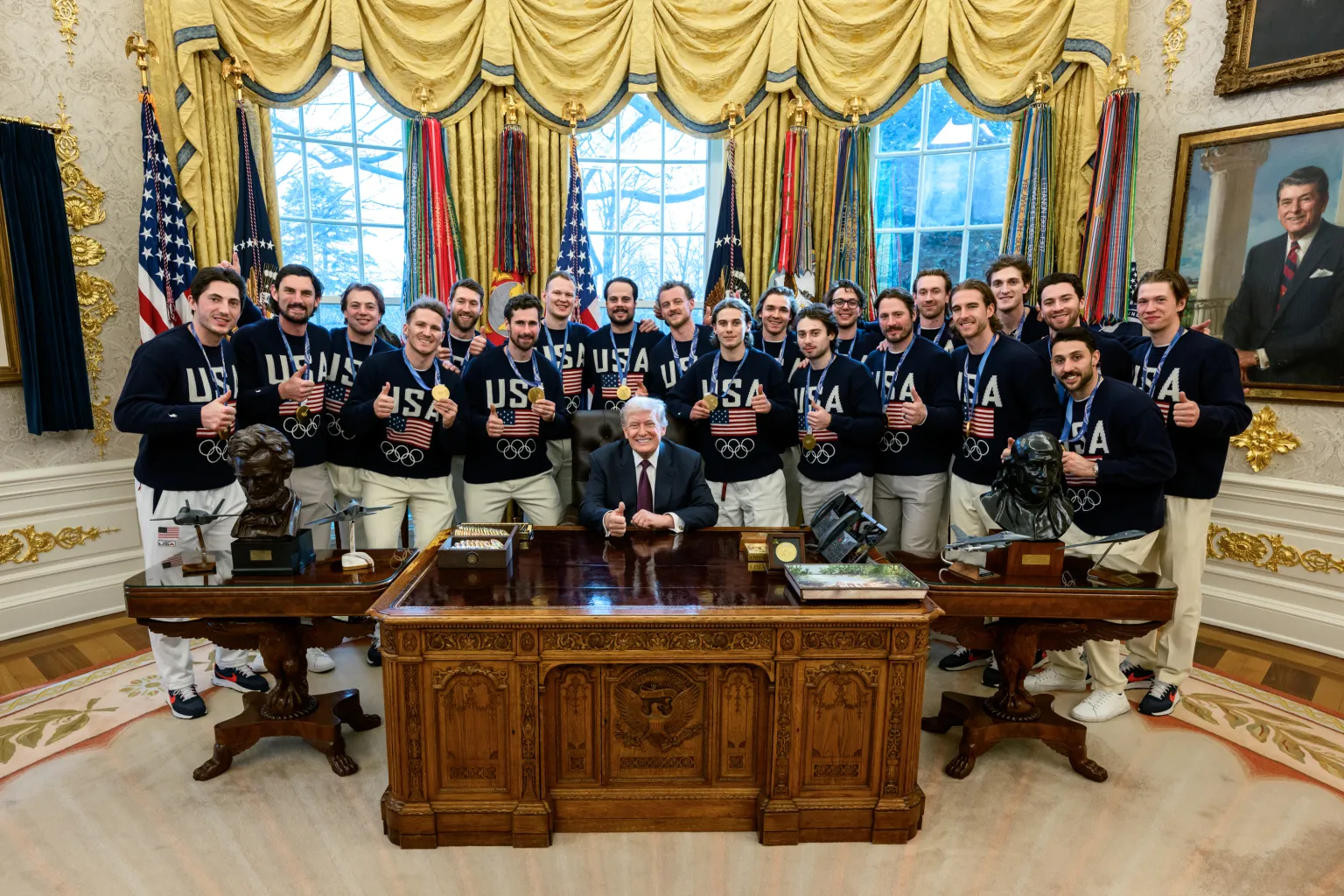
Photo above: USA Men’s Hockey Team in the Oval Office with President Trump (Feb 24, 2026)
In the 2026 Milano Cortina Winter Olympics, both the USA men’s and women’s hockey teams defeated Canada in dramatic 2-1 overtime victories to win gold. The men’s team captured America’s first Olympic men’s hockey gold medal in 46 years (exactly 46 years after the 1980 “Miracle on Ice”), while the women’s team secured their third Olympic gold. This double-gold sweep by USA Hockey demonstrated the power of “feeding the soil” for instant team cohesion from talented players across different professional leagues.
The Humaculture® Topological Model principle of “feed the soil, not the plant” was on full display. The “plants” are the elite athletes with outstanding personal characteristics, skills, training, and experience. The “soil” consists of the organizational processes such as Cultural Nurturing and Performance Nurturing, along with structures that support Merit-Based Talent Cultivation and clear roles. When this “Organizational Soil” is rapidly enriched, exceptional Created Value emerges even under tight timelines.
The Challenge of Rapid Team Assembly
Olympic hockey requires top players from multiple NHL teams (men) and PWHL teams (women) to form a unified group in just weeks. Each athlete arrives with their own playing style, ego, and club background. Success hinges on quickly “feeding the soil” for instant team cohesion so that Talent Diversity and Collaboration can produce winning results despite the intense pressure and short preparation time.
Men’s Team: Resilience While “Feeding the Soil” for Instant Team Cohesion
In the men’s gold medal game, forward Jack Hughes took a high stick to the mouth from Canada’s Sam Bennett in the third period, knocking out parts of his two front teeth. Rather than leaving the game, he drew the penalty, quickly composed himself, and returned to the ice. In overtime, Hughes scored the golden goal to secure the victory.
Above video: Jack Hughes’ Golden Goal
Ironically, the golden goal came from Jack Hughes, who shares the name of the player who was the final cut from the 1980 “Miracle on Ice” team exactly 46 years earlier.
Goaltender Connor Hellebuyck delivered a dominant performance with 41 saves in the gold medal game alone, including massive third-period stops that kept the United States in position to win. His focus and positioning exemplified strong Performance Nurturing, through clear role clarity and mental preparation that enabled peak Capacity in support of the team.
Above video: Connor Hellebuyck’s Unbelievable Highlight Reel
The leadership of the men’s team, under Coach Mike Sullivan and GM Bill Guerin, first designed the roles and processes around character, high-autonomy, and accountability, what Coach Mike Sullivan later called a team of “whiskey drinkers” who embraced unglamorous roles without ego. They then deliberately “fed the soil” by providing clear role descriptions and expectations, encouraging greater player autonomy in on-ice decisions, and rewarding unselfish team cooperation through a culture of accountability and “next shift” focus. This differed markedly from past Olympic teams that relied more heavily on raw talent alone.
Women’s Team: Leadership and Excellence While “Feeding the Soil” for Instant Team Cohesion
The women’s team cultivated a distinctly different “Organizational Soil.” As a more established national program under Coach John Wroblewski, leadership first designed the system with clear roles emphasizing positional versatility and a shared aggressive mindset (where strong offense served as the best defense). They then selected players who would excel within that designed structure and created processes that made every role genuinely important. This intentional enrichment of the “Organizational Soil” built rapid trust, communication, and collective accountability despite the short Olympic preparation period.
Above video: U.S. women’s hockey team receives gold medal
Goaltender Aerin Frankel delivered one of the most dominant performances in Olympic women’s hockey history, allowing only two goals across all games while recording three shutouts. Her consistency provided the rock-solid foundation for the team’s success.
Practical Lessons from “Feeding the Soil” for Instant Team Cohesion
Both USA Hockey teams – two different organizations representing the same USA – prove that prioritizing Merit-Based Talent Cultivation and rapidly “feeding the soil” for instant team cohesion leads to outstanding outcomes. Both teams followed the same core approach: first design the roles and processes, then select players who would thrive within that system. The men’s team uniquely designed theirs around character, high autonomy, and accountability to succeed despite players coming from a high-ego NHL environment. The women’s team designed theirs around positional versatility and a shared aggressive mindset to create a cohesive national program. These unique designs created the enriched “Organizational Soil” that enabled elite talent to thrive as a cohesive unit — far beyond what raw skills and experience alone could have achieved.
This approach delivers the Three Promises: Effectual results through victory, Emotional resonance through shared pride, and Economic value through enhanced reputation and talent development.
Leaders in any field can apply these same principles: focus first on strengthening processes and structures (such as clear roles, autonomy, communication, and team accountability) rather than trying to force outcomes from talent alone.
This article is part of our Team Sports series exploring how leaders “feed the soil” for rapid team success. Previously: From Underdog to Unbeaten Champions – the Indiana Hoosiers story.
Contact: Steve Cyboran at Steve.Cyboran@Humaculture.com, Wes Rogers at Wes.Rogers@Humaculture.com, or Caroline Cyboran at caroline.cyboran@humaculture.com
Website: humaculture.com
LinkedIn: humaculture-inc
From Underdog to Unbeaten Champions
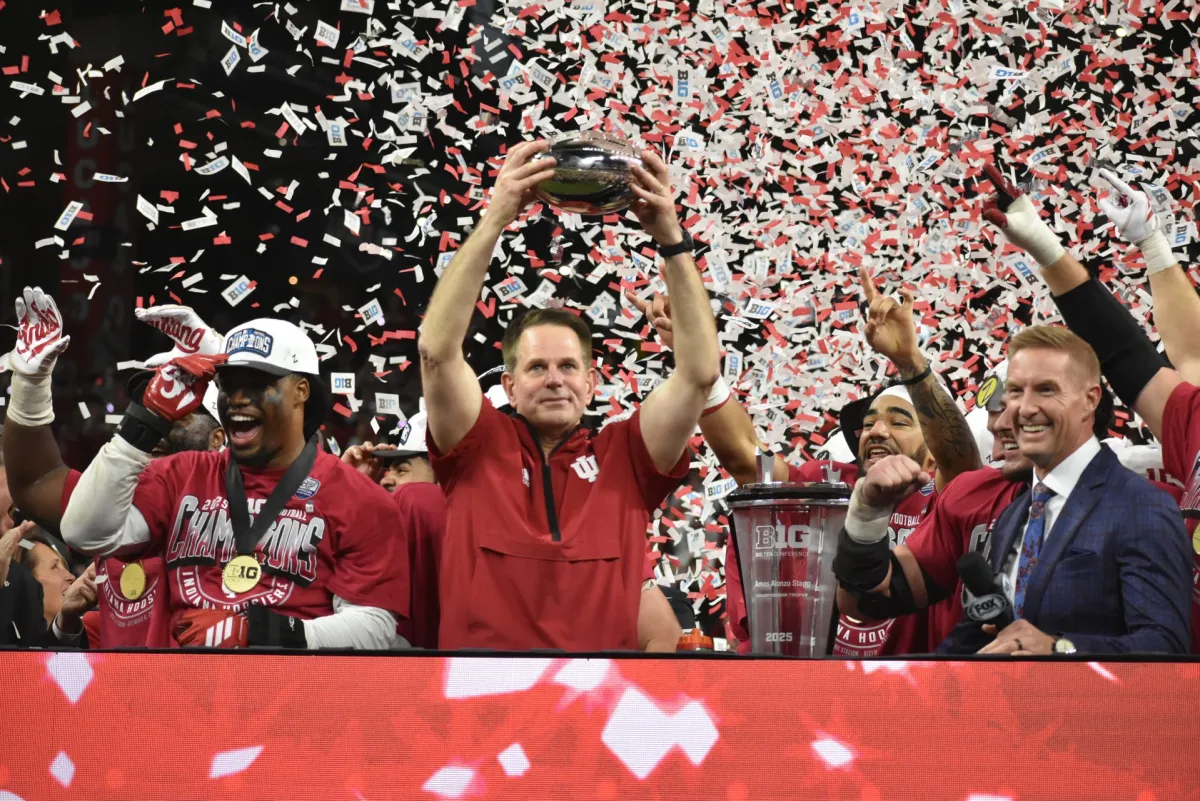
Above Image: By Owen Graham for TDH / Original source: https://www.thedailyhoosier.com
Indiana Football’s Historic Run through the Humaculture® Topological Model
By Humaculture, Inc.
February 5, 2026
Imagine leading a program long counted out, yet transforming it into a national champion through intentional “cultivation” rather than force. In college football’s competitive landscape, where traditional powerhouses like Alabama and Ohio State have long held sway, the 2025 Indiana University (Indiana) Hoosiers achieved just that: one of the most extraordinary turnarounds ever recorded. Entering the season with the most all-time losses in Football Bowl Subdivision (FBS) history and long odds against them, the program completed a perfect 16-0 campaign, captured its first outright Big Ten championship in decades, earned its first No. 1 ranking, and claimed the national title with a 27-21 victory over Miami in the College Football Playoff (CFP) championship game. Quarterback Fernando Mendoza, the program’s first Heisman Trophy winner, led the charge with remarkable poise and production.
This achievement did not stem from fleeting talent or chance. It arose from a systematic approach to building a resilient, high-performing organization, closely aligned with the Humaculture® Topological Model. Guided by the maxim “feed the soil, not the plant,” the model treats organizations as interconnected living systems. Enriching the foundational “soil” (Structures, Assets, and Processes within the Organization Domain) creates the conditions for People to thrive and generate abundant Created Value.
Indiana Football’s season vividly demonstrates this principle in practice. Head coach Curt Cignetti focused on enriching the Organization Domain’s “soil” by refining Structures for clear accountability, strategically allocating Assets (including aggressive use of the National Collegiate Athletic Association (NCAA) Transfer Portal and Name, Image, and Likeness (NIL) opportunities ESPN profile on Cignetti’s scouting and recruiting approach), and tuning Processes like Cultural Nurturing and Performance Nurturing. The result was a dynamic, cyclical system that delivered the Three Promises: Effectual (tangible milestones and dominance), Emotional (deep team resonance and pride), and Economic (substantial increases in revenue from surging attendance, concessions, merchandise sales, and conference playoff proceeds Learfield report on revenue growth including 113% ticket increase).
A Program Facing Long-Term Challenges
The Hoosiers entered 2025 with a legacy of struggle: decades of mediocrity, only sporadic success in the Big Ten, and a recent 3-9 finish before Cignetti’s arrival. Preseason rankings placed them at No. 20 in the AP poll, with media projections in the middle of the conference and national title odds as long as 100-to-1 (or even higher earlier in Cignetti’s tenure). The external Environment Domain, shaped by NCAA rules (including the Transfer Portal), NIL opportunities, alumni resources, climate and weather impacts on scheduling and play, demanding “terrain” in away venues, and a grueling Big Ten schedule, presented real constraints. Many viewed their strong 2024 season (including a CFP appearance) as unsustainable given roster changes.
Yet these pressures became the catalyst for intentional “cultivation,” much like how challenging environmental conditions prompt a garden to adapt and strengthen its “soil.”
Pursuing Sustainable Excellence and Resilient Growth
The driving ambition was clear: build a program capable of consistent, high-level performance and lasting impact. This translated to prioritizing Created Value (game-changing offensive schemes, dominant defensive performances, and program-wide elevation) while fostering resilient People who could endure and excel under pressure through a culture of mutual support, high standards, and earned opportunity.
Cignetti’s approach drew on his proven emphasis on accountability, discipline, and a refusal to accept average performance (compilation of Cignetti’s key culture quotes). This supported Merit-Based Talent Cultivation, ensuring Equality of Opportunity where roles and contributions were earned through performance and fit (247Sports analysis of Cignetti’s production-over-potential transfer philosophy)
Transfers via the NCAA Transfer Portal (a database allowing student-athletes to notify their intent to switch schools, enabling coaches to contact and recruit them directly, similar to free agency rather than professional league trades) like Mendoza highlighted this: the right “cultivated” system does not “fix” people. It provides the “soil” for their inherent potential to thrive.
Navigating Pressure and Avoiding Common Pitfalls
As the season unfolded, challenges mounted against elite competition. A road victory at No. 3 Oregon (30-20) tested composure in a hostile environment. Later, a narrow 13-10 win over No. 1 Ohio State in the Big Ten Championship Game (Indiana’s first over the Buckeyes since 1988) highlighted the strengths of their merit-based culture based talent acquisition. The Hoosiers succeeded by avoiding shortcuts, such as bringing in talent that looked impressive on paper but didn’t fit the system’s merit-based culture and Processes, or relying on generic changes without deeper enrichment of the organizational “soil.” Instead, they invested in systemic strength that allowed inherent potential to flourish naturally.
Building Momentum through Team Cohesion
Throughout the campaign, the emotional tone shifted from past frustration to growing confidence and shared purpose. Players frequently credited the culture of mutual support and high standards for their ability to perform at peak levels.
Quarterback Fernando Mendoza embodied this transformation. As a lightly recruited prospect, he faced rejection from over 130 programs (no scholarships, silent inboxes, and even walk-on denials) before a late offer from Cal as essentially a roster filler. There, behind a struggling line and in a system that eventually prioritized another transfer, he endured sacks, losses, and limited opportunity.
Entering the Transfer Portal, many viewed Indiana as “career suicide” (the program with the worst record in FBS history). Yet Cignetti saw untapped potential, promising to build around making Mendoza the best version of himself. In this enriched environment (Merit-Based opportunity, seamless integration, and supportive Processes), Mendoza flourished with over 3,500 passing yards, 41 touchdowns, and a passer rating of 182.91. He delivered clutch plays (including a title-game fourth-quarter run through his hometown Miami defenders), won the program’s first Heisman Trophy (and the first for a Cuban-American), and led a 16-0 season.
His drive stemmed from deep Personal Characteristics: resilience forged by his mother’s long battle with multiple sclerosis, a refusal to accept “no” as final, and a focus on team over self. This resonance fostered the Emotional Promise, turning individual motivation into collective strength and pride.
The Decisive Tests: Relying on Enriched Foundations
The playoffs brought the ultimate pressure: dominant wins over No. 9 Alabama (38-3 in the Rose Bowl) and No. 5 Oregon (56-22 in the Peach Bowl), followed by a tense championship battle against No. 10 Miami. In these high-stakes moments, particularly the title game, again near Mendoza’s hometown roots, where his fourth-and-4 quarterback draw spun through defenders for the winning score, the system’s resilience shone through.
Rather than hierarchical overhauls or external pressure tactics, Cignetti leaned on merit-based Processes: flattened Structures for clear accountability, strategic Resource Allocation (leveraging NIL support and portal expertise), and strong emphasis on Cultural Nurturing for teamwork and Performance Nurturing for weekly refinement across Knowing, Wanting, Ability, and Capacity.
The Indiana defense, nationally leading with a +21 turnover margin, reflected this focus with timely plays and disciplined execution rooted in prepared, motivated players.
Measurable Triumph and a Foundation for the Future
The outcomes speak volumes: Indiana’s first national championship, first outright Big Ten title since 1945, first No. 1 ranking, and the first 16-0 season in the modern FBS era (matching Yale’s 1894 mark under different rules). Key metrics included exceptional efficiency and minimal costly errors, signaling reduced “disability costs” (injuries, turnovers) and strong retention.
This delivered the Three Promises in full:
- Effectual: Road upsets (first-ever at Penn State), playoff dominance, and ultimate victory.
- Emotional: A culture of support and pride with players describing joy and purpose in the journey.
- Economic: Substantial revenue growth from surging attendance (including reported 113% increase in football ticket revenue), concessions, merchandise, and playoff proceeds Learfield partnership report, positioning the program for ongoing financial strength.
For leaders in any field, Indiana’s story underscores a core truth: prioritize enriching the “soil.” Adapt to your Environment, cultivate the Organization Domain through intentional Processes, and empower People to flourish. Apply the Dynamic Matrix’s cyclical interactions, embrace Merit-Based Talent Cultivation for Equality of Opportunity, and sustainable growth follows naturally.
Contact: Steve Cyboran at steve.cyboran@humaculture.com, Wes Rogers at wes.rogers@humaculture.com, or Caroline Cyboran at caroline.cyboran@humaculture.com
Website: humaculture.com
LinkedIn: humaculture-inc


