
Category: Community Support
Spirit Airlines’ Collapse: Why One-Dimensional Thinking Fails Leaders

By Humaculture
In the days after Spirit Airlines ceased operations in May 2026, commentary quickly splintered into single-cause explanations. Some pointed to jet fuel prices spiked by geopolitical events. Others blamed the Department of Justice’s 2024 decision to block the JetBlue merger. Still others cited management missteps or post-pandemic demand shifts. Each narrative contained a grain of truth, yet each was dangerously incomplete.
Humaculture® allows us to think in terms of interconnected Domains. These one-dimensional perspectives consider isolated factors to be sole causes (whether Rules in the Environment Domain – the blocked merger, Natural Resources volatility – spiking fuel prices, or Organization Structure weaknesses – management missteps). They overlook, or underestimate, how interconnected the aspects of each Domain really are. Every shock transmits through Connections and Processes (Strategic Planning, Resource Allocation, Performance Nurturing, Cultural Nurturing) and is either amplified by, or buffered by, the state of health across all three Domains. For example, overregulation (arguably, a state of poor health) in the Environment Domain can, indeed, be the “straw that broke the camel’s back,” but it is seldom the sole reason for a business failure. It is but one aspect of the topological relationship between the Domains.
The Topological Advantage
At its core, the Humaculture® Topological Model offers a way of seeing organizations as living systems of interconnected Domains rather than collections of separate parts. It highlights how the Environment, Organization, and People Domains influence one another through a Dynamic Matrix of Connections enabled by Processes. In this view, challenges rarely stem from a single isolated factor. Instead, shocks travel through these Connections and Processes, and the overall health of the system determines whether those shocks are amplified into crises or buffered into opportunities for adaptation.
Putting the Model into Practice
One practical application is using the model to align Total Rewards and remove barriers so Talent can more effectively deliver Created Value. Progress can be tracked through Environment, Organization, and People Healthful Quotients.
Organizations applying this approach often implement annual Envision → Analyze → Optimize cycles. They test proposed changes through topological modeling, a virtual replica built with the organization’s actual data, before committing real resources. This allows leaders to anticipate how external shocks will interact with existing Process gaps and to strengthen the right Connections in advance.
Here is how a topological approach could have addressed each of the commonly blamed factors:
- Fuel price volatility (Natural Resources): Leaders would have used Strategic Planning and Resource Allocation to build hedging strategies and utilization buffers.
- Blocked merger / regulatory action (Rules): Organizations that operate with topological awareness run scenario planning that includes regulatory rejection as a probable outcome and develop alternative paths in advance.
- Management and internal failures (Organization): Weak Performance Nurturing, Cultural Nurturing, and feedback loops would have been diagnosed early through the 4 Areas of Focus and regular Envision → Analyze → Optimize cycles.
- Competition and demand shifts (Community): Continuous Community Engagement and Resource Allocation would have enabled faster route and product adjustments, helping organizations stay responsive to customer needs and competitive pressures.
The airline industry has faced repeated external shocks. Organizations that responded with systemic, interconnected thinking tended to recover faster and stronger. Those that relied on reactive, one-dimensional fixes often lost trust, talent, and long-term positioning.
Leaders who instinctively take a topological approach, whether or not they use that term, typically take three practical steps to avoid one-dimensional blind spots:
- Replace narrow dashboards with broader diagnostics that show how Environment, Organization, and People are connected.
- Build frameworks that strengthen talent strategy and talent health (our ROOTS™ and THRIVE™ approaches) into strategic planning so every scenario includes Merit-Based Talent Cultivation and collaboration as core goals.
- Shift from reactive fixes to proactive “soil” building — creating buffers, feedback loops, and cross-domain resilience that absorb shocks and even profit from them.
From Blame to Building
Spirit Airlines’ story is not unique. Any organization that allows one-dimensional thinking to dominate decision-making will eventually encounter the same pattern: an external event exposes internal fragilities that had been visible for years to those using a topological lens.
The choice is clear. Continue chasing isolated villains and single fixes, or adopt a topological approach (supported by frameworks such as the Humaculture® Topological Model, ROOTS™, and THRIVE™) to cultivate organizations that create sustainable Created Value even when the environment turns hostile.
Ready to move beyond one-dimensional thinking? Start by assessing your organization through a topological lens, or reach out to explore how ROOTS™ and THRIVE™ can strengthen your leadership approach.
What one-dimensional assumption might be quietly limiting your organization’s resilience right now?
#Humaculture #DynamicMatrix #FeedTheSoil #OrganizationalResilience #MeritBasedTalent
Contact Steve Cyboran at Steve.Cyboran@Humaculture.com, Wes Rogers at Wes.Rogers@Humaculture.com, or Caroline Cyboran at caroline.cyboran@humaculture.com Website: humaculture.com X: @HumacultureInc LinkedIn: humaculture-inc
Worst to First: How Three NFL Teams Instinctively Strengthened Structures by Applying Humaculture® Topological Model Principles
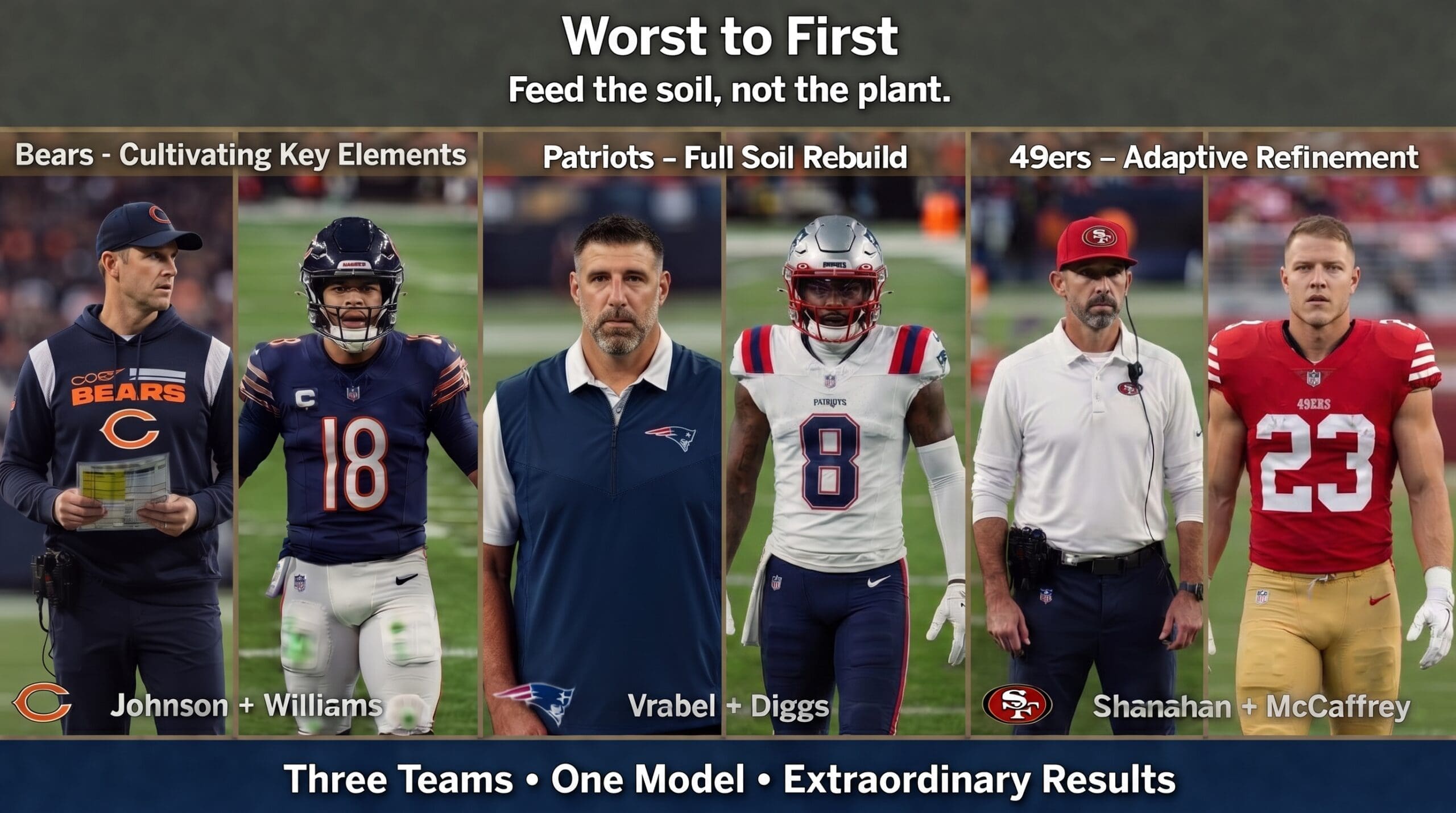
This article is the third in our Team Sports Series, where we explore how elements of the Humaculture® Topological Model are transforming high-performance organizations through unique approaches to cultivation, even when those approaches are applied instinctively rather than through intentional adoption of the full framework. (Read the first two articles in the series: From Underdog to Unbeaten Champions: Indiana Hoosiers and USA Hockey’s Golden Sweep: Lessons in “Feeding the Soil” for Instant Team Cohesion.)
As the 2026 NFL Draft dust settles this week, teams across the league are celebrating their new talent acquisitions. Yet the three 2025 worst-to-first stories featured here offer a deeper lesson: sustainable success doesn’t come from simply adding more “plants.” It comes from cultivating the right “soil” — the Structures and Processes that allow talent to flourish.
Professional sports teams operate in a uniquely demanding ecosystem. Unlike traditional corporations with multi-year planning horizons, they face compressed performance cycles measured in weeks, relentless public and media scrutiny, strict regulatory constraints such as salary caps, and highly fluid talent markets where players move freely through free agency, trades, and contract negotiations. These conditions place extraordinary pressure on the Organization Domain, particularly its Structures (contractual obligations, governance mechanisms, and accountability systems), while amplifying the need for precise alignment across the People Domain and adaptive Performance Nurturing Processes. In this high-stakes environment, even small shifts in how an organization cultivates its “soil” can produce dramatic, visible results.
In the 2025 NFL season, three teams with losing records in 2024, the Chicago Bears (5-12), New England Patriots (4-13), and San Francisco 49ers (6-11), finished among the league’s best. While none of these organizations explicitly used the Humaculture® Topological Model, each coincidentally exemplified powerful applications of its core principles: cultivating unique “soils” (organizational environments) tailored to their specific Domains, Expressions, and Elements. The results were extraordinary.
What these three worst-to-first stories demonstrate is the remarkable potential of the Humaculture® Topological Model as an adaptive framework. When organizations intentionally embrace and fully apply its principles, cultivating unique “soils” tailored to their specific Domains, Expressions, and Elements, extraordinary and sustainable results become not just possible, but predictable.
New England Patriots – Full Soil Rebuild Through Strengthened Structural Commitments
The Patriots’ turnaround began with a clear commitment at the highest level. Owners made significant Structural commitments by entering into contracts that obligated the allocation of Assets (salary cap space, compensation, benefits, and facilities access) to targeted culture-fit veterans who had already thrived in merit-based systems elsewhere. These contractual Structures established formal obligations, accountability mechanisms, and governance rules that aligned People Domain commitments with the organization’s desired culture.
Processes were equally intentional. Head coach Mike Vrabel instituted daily reinforcement practices, including structured team meetings and consistent messaging centered on belief, identity, and the rallying cry “no one gave us a chance… we believed.” These were operationalized through repeatable Cultural Nurturing and Performance Nurturing Processes that built a shared Personal Characteristic of unshakeable confidence and unity across the roster. The result was a complete cultural reset that turned a 4-13 team into a 14-3 division winner.
Player Spotlight: Stefon Diggs
Stefon Diggs arrived from the Texans, where a late-2024 anterior cruciate ligament (ACL) injury combined with scheme and cultural mismatch had limited his production and voice. In New England, the organizational Structures (clear contractual roles, accountability systems, and high-trust governance) combined with aligned Processes and People Domain elements created conditions where Diggs could fully express his strengths. He delivered 85 catches for 1,013 yards and 4 touchdowns while becoming a vocal leader who elevated young quarterback Drake Maye. The difference was not “better soil” in the literal sense — it was a demonstrably different alignment of Structures, Processes, and People that allowed his talent to flourish.
Chicago Bears – Cultivating Key Ecosystem Elements Through Evolved Structures
The Bears focused on building cultivated “soils” from key portions of the ecosystem. They emphasized targeted depth development through refined Structural mechanisms (contractual depth allocation, transparent evaluation systems, and governance frameworks) paired with owner-backed commitment to a new $2+ billion stadium and associated training facilities.
Structures played a central role. Leaders scheduled time for rituals, chants, and mantras to ensure these Processes were not neglected. Explicit norm-setting sessions fostered shared values. The mantra “players make coaches” was operationalized through new power-dynamic Structures that allowed merit to rise naturally.
Processes brought the culture alive daily. Mental-toughness rituals, chemistry-building exercises, and the iconic “Good, better, best” rallying cry became the team’s signature locker room chant after every win, led by head coach Ben Johnson. These operationalized Cultural Nurturing Processes built resilience and high-energy identity.
Player Spotlight: Caleb Williams
As a 2024 rookie, Caleb Williams displayed flashes of brilliance but remained inconsistent in a rigid scheme that did not yet fully nurture his creative decision-making and improvisation. In 2025, the Bears deliberately nurtured that creativity through Skill Development Processes tailored to his strengths, including Run-Pass Option (RPO) concepts, designed rollouts, and simplified reads, and an Environment Domain supported by evolved Structures (clear role definitions, supportive coaching staff, and a scheme that rewarded his natural playmaking ability). The result: 3,942 passing yards, 27 touchdowns, and just 7 interceptions. The “Cardiac Bears” comeback culture emerged as young talent and veterans collaborated at elite levels, a direct outcome of the enriched ecosystem.
San Francisco 49ers – Adaptive Refinement of Structures and Processes
The 49ers executed a dramatic special-teams overhaul. After finishing last in Special Teams Expected Points Added (EPA) in 2024, they waived kicker Jake Moody and signed Eddy Piñeiro. Under coordinator Brant Boyer, the unit surged to second in the NFL in Special Teams EPA in 2025, a 6.5-point swing per game.
This was a clear example of Performance Nurturing Processes refined through Structural mechanisms (personnel decisions and new coordinator governance). They also refined defensive coordination with Robert Saleh’s return, elevating the defense to top-10 rankings. Targeted contractual depth protected star players and maintained roster resilience.
Player Spotlight: Christian McCaffrey
McCaffrey, already a star, benefited enormously from these refined Structures and Processes. Improved special-teams field position gave him more opportunities in favorable situations, better-coordinated defensive schemes created more favorable game scripts that reduced physical wear, and contractual depth that allowed him to stay fresh created conditions for sustained excellence. His production and leadership elevated the entire team, showing how even small, intentional refinements in Structures and Processes can produce outsized results when aligned with the broader organizational “soil.”
The Common Thread: Unique Cultivation Through Strengthened Structures
Each of these three organizations cultivated its “soil” differently by strengthening key Structures in alignment with the Humaculture® Topological Model:
- Patriots: Full rebuild through contractual Structures that obligated Asset allocation to culture-fit veterans, paired with institutionalized Processes that reinforced belief and identity, creating a complete cultural reset from 4-13 to 14-3.
- Bears: Targeted cultivation of key ecosystem elements through evolved Structural mechanisms paired with daily Processes that included mental-toughness rituals, chemistry-building exercises, and the iconic “Good, better, best” rallying cry — all of which unlocked creative talent and long-term stability.
- 49ers: Adaptive refinement of Structural mechanisms (coordination frameworks and contractual depth allocation) and Performance Nurturing Processes (special-teams overhaul and defensive scheme evolution) for maximum efficiency and resilience without a full rebuild.
While these organization didn’t set out to apply the Humaculture® Topological Model, each instinctively aligned key Elements, particularly Structures (including contractual obligations), in ways that produced measurable, sustainable excellence.
What these three worst-to-first stories demonstrate is the power of the Humaculture® Topological Model as an adaptive framework. These are examples of aspects of the model being instinctively employed. What could be accomplished if the Model is embraced and fully applied intentionally?
This article is the third in our Team Sports Series, where we explore how the principles of the Humaculture® Topological Model are transforming organizations into high-performing organizations through unique soil cultivation.
Ready to cultivate your own organization’s “soil”? Whether you lead a football team, Fortune 500 company, or growing startup, the Humaculture® Topological Model scales. Explore the full framework, read the From Underdog to Unbeaten Champions: Indiana Hoosiers or USA Hockey’s Golden Sweep: Lessons in “Feeding the Soil” for Instant Team Cohesion case studies, or connect with our team to begin your turnaround.
Contact:
Steve Cyboran at Steve.Cyboran@Humaculture.com
Wes Rogers at Wes.Rogers@Humaculture.com
Caroline Cyboran at caroline.cyboran@humaculture.com
Website: humaculture.com
LinkedIn: humaculture-inc
Building the Integrative Health Partnership Network for Workforce Resilience

Part 5: Building the Integrative Health Partnership Network. Selecting and Aligning Partners for Sustainable Workforce Resilience
March 26, 2026
By Humaculture, Inc.
This is the fifth and final article in our 5-part companion series to ICSL’s analysis of post-COVID health trends and morbidity pressures. In Part 1 we examined the broad crisis of rising chronic conditions driving costs. In Part 2 we applied the Topological Model to variable-demand operations like trucking. In Part 3 we explored chronic surges across large workforces using real employer data. In Part 4 we showed why pharmacology alone falls short and how integrative soil cultivation creates lasting resilience. Here we turn to the final step: how you build a holistic, integrative health partnership network in which every vendor and every program focuses first on integrative health for workforce resilience — addressing the underlying root causes that led someone to need treatment in the first place, rather than simply treating symptoms with pharmaceuticals or surgery.
While ICSL’s ForwardLiving Integrative Platform (FLIP) focuses on creating a platform of vetted integrative health providers, Humaculture® offers the Organizational framework for selecting and aligning all partners across your entire benefits ecosystem towards integrative health. You refine “soil” (Structure, Assets, Processes—the Organization Domain) so the complete network of vendors, insurers, and internal programs works in harmony to support natural, sustainable resilience and Created Value.
As a leader responsible for benefits strategy, risk management, or workforce health, you have now seen the full picture. You have seen the persistent cost pressures and claim surges. You have seen the real impact on employers through rising disability, lost workdays, and productivity challenges. You have seen that even promising tools like GLP-1 drugs provide only short-term relief because the underlying drivers remain unaddressed.
The question is no longer whether action is needed. The question is how you build a complete network of partners that consistently delivers integrative-first results. Just as an unhealthy plant produces little to no fruit, an employee with poor Well-being produces little to no Created Value. In horticulture, fertilizer and pesticides may help to some degree, but there are always unintended consequences and the nutrient density is diminished. The same is true with the quality and extent of the Created Value.
The Limitation of Fragmented or Misaligned Partnerships
Many organizations still select partners in silos. One vendor handles pharmacy benefits while another manages wellness and a third oversees disability programs. Each partner may have good intentions, yet when the primary goal becomes adherence to prescription protocols rather than root-cause health improvement, the entire system remains misaligned. The result is fragmented programs, duplicated costs, app fatigue, and persistent reliance on short-term fixes that fail the moment the inputs stop.
Frustration builds as costs continue to climb and workforce resilience stays fragile. The underlying health of the Organization, like the underlying health of the soil, was never truly built.
The Humaculture® Topological Model: A Practical Guide for Integrative Health Partnership Selection
The Humaculture® Topological Model gives you a clear framework for this final step. It shows exactly where to refine the Organizational “soil” so the entire network of partners supports natural, sustainable resilience.
| Domain | Challenges (Current State) | Success (Integrative Outcome) |
|---|---|---|
| Environment Domain | Rigid regulations, high drug costs, limited access to preventive care | Strong partnerships with vendors that prioritize integrative protocols and flexible plan designs |
| Organization Domain | Fragmented benefits programs, misaligned vendors, pharmacology-first defaults | Clear standards across all health, wellness, leave, disability, and workers’ compensation programs; every partner adopts integrative-first protocols (Food as Medicine, Exercise as Medicine); misaligned vendors are replaced |
| People Domain | Unaddressed personal distractions and low intrinsic motivation | Empowered, accountable Talent inclined toward health, with the tools and autonomy to perform at their best |
When you intentionally orchestrate the Topology between these Domains through the Dynamic Matrix, the entire partnership network becomes self-reinforcing. Resilient People produce sustainable Created Value cycle after cycle.
The Decisive Choice: Build the Integrative Health Partnership Network
The turning point comes when you choose intentional, integrative cultivation over pharmacology-first fixes. Instead of another drug-centric incentive or coverage expansion, you reallocate Assets toward merit-based Processes designed to attract and retain empowered Talent already inclined toward health. You establish clear standards and expectations across all health, wellness, leave, disability, and workers’ compensation programs and require every solution provider partner to adopt integrative-first protocols (Food as Medicine, Exercise as Medicine), ensuring full alignment and replacing any misaligned vendors that prioritize pharmacology-only approaches.
This is how you move from fragmented programs to a true integrative health partnership network. Every vendor, every program, and every internal process works in harmony to support root-cause health rather than symptom management.
Anonymized client data shows this works. Organizations that applied these standards saw recurring claims and utilization decline meaningfully. Organizations that continued with misaligned, pharmacology-focused partners saw recurring claims, program dropout, and sustained high costs because the underlying drivers of poor health were never addressed, creating a cycle of prescription dependency.
Resolution: Measurable Victory and Renewed Operations
Organizations that consistently feed the Organizational “soil” and align every partner around integrative-first principles achieve balanced, lasting success. The resolution is measurable victory: higher People Health Quotient (PHQ) and Organization Healthful Quotient (OHQ), meaningful reductions in disability costs and absenteeism, stronger retention and engagement, substantially multiplied Created Value, and a renewed operation ready for the next cycle. Just as organic gardening produces fruit with significantly higher nutrient density, integrative “soil” cultivation (Organization Domain refinement) yields resilient People who deliver superior, sustainable outcomes.
For leaders ready to build this network, the results include:
- Economic. Strong multi-dollar returns on investment. Meaningful reductions in medical spending, disability costs, and indirect disruptions. Easier recruiting of ideal Talent. Reduced turnover. Fewer recurring claims. Recovered productivity that directly protects financial stability.
- Effectual. Tangible risk reduction. Lower chronic disease progression. Decreased utilization severity. Faster recovery from health events. Measurable declines in the key post-COVID morbidity drivers.
- Emotional. Authentic resonance through merit-based recognition, constructive challenge, and mission alignment. This builds voluntary engagement and retention rather than dependency or resentment.
The outcome is multiplied Created Value. Higher retention, more productive teams, more stable operations, reduced absenteeism and disruptions — the organization becomes self-reinforcing. Resilient People produce sustainable fruit cycle after cycle.
Take the First Step
As a starting point, contact Humaculture® for a review of your medical, disability, workers’ compensation, and absenteeism data, mapped to the Dynamic Matrix. We’ll identify leverage points to cultivate resilience and Created Value in your unique terrain and help you evaluate and align every partner in your network.
Read the companion ICSL article for the full view of the ForwardLiving Integrative Partnership (FLIP). Join us in building organizations where every partner, every program, and every process works together so People don’t just manage chronic risk. They flourish despite it.
Contact: Steve Cyboran at Steve.Cyboran@Humaculture.com, Wes Rogers at Wes.Rogers@Humaculture.com, or Caroline Cyboran at caroline.cyboran@humaculture.com
Website: humaculture.com
LinkedIn: humaculture-inc
Humaculture® — Cultivate Organizations, Grow People.
Humaculture® Featured Among Ten Thought Leaders Driving Change
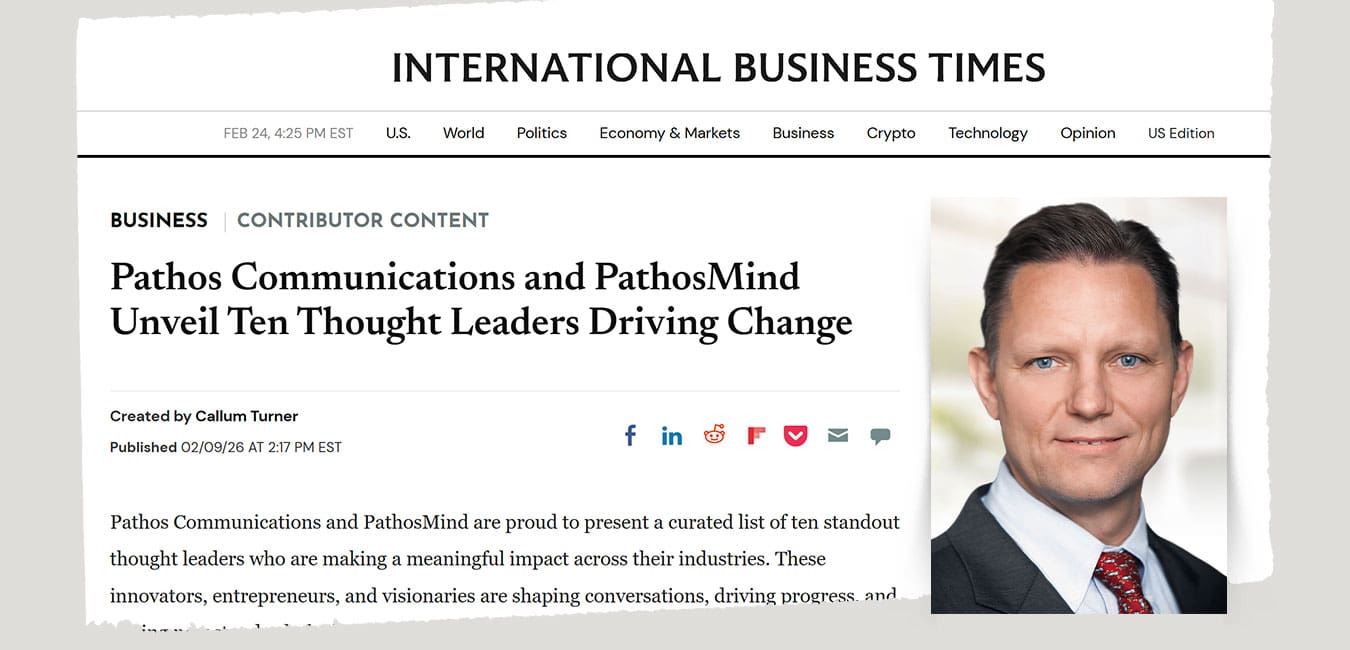
We’re pleased to announce that Humaculture, Inc. has been recognized in the latest International Business Times feature: “Pathos Communications and PathosMind Unveil Ten Thought Leaders Driving Change”.
Co-founder Steve Cyboran is highlighted for the Humaculture® Topological Model – a distinctive, evidence-based framework that helps executives, entrepreneurs, and leaders across business, nonprofit, and public sectors build resilient, high-performing organizations.
Rooted in the prescient analogy of sustainable horticulture, the Model views the Environment Domain as the broader terrain, the Organization Domain (with its Structures, Assets, and Processes) as well-tended “soil” forming an intentional “garden or landscape,” and People as thriving “plants” that generate abundant Created Value.
The guiding maxim is simple and powerful: “feed the soil, not the plant.” By enriching systemic Processes rather than forcing outcomes on individuals, the non-hierarchical Dynamic Matrix enables fluid, cyclical interactions across three Domains and nine Expressions – delivering natural growth and sustainable results.
This approach stands apart from conventional top-down models by emphasizing Equality of Opportunity and Merit-Based Talent Cultivation. Rigorous application yields the Three Promises:
- Effectual – tangible outcomes (reduced absenteeism, lower disability costs)
- Emotional – resilience-building resonance
- Economic – defensible viability and ROI
This recognition reinforces our commitment to providing merit-focused leaders with timeless, systems-level guidance for lasting organizational abundance – no ideology, no shortcuts.
Read the full profile here: IBTimes Feature
We welcome your thoughts – what organizational challenge are you working to solve right now?
#Humaculture #TopologicalModel #FeedTheSoilNotThePlant #CreatedValue #MeritBasedTalentCultivation #OrganizationalResilience
Beyond Pharmacology Alone: Integrative Soil Cultivation for Workforce Resilience
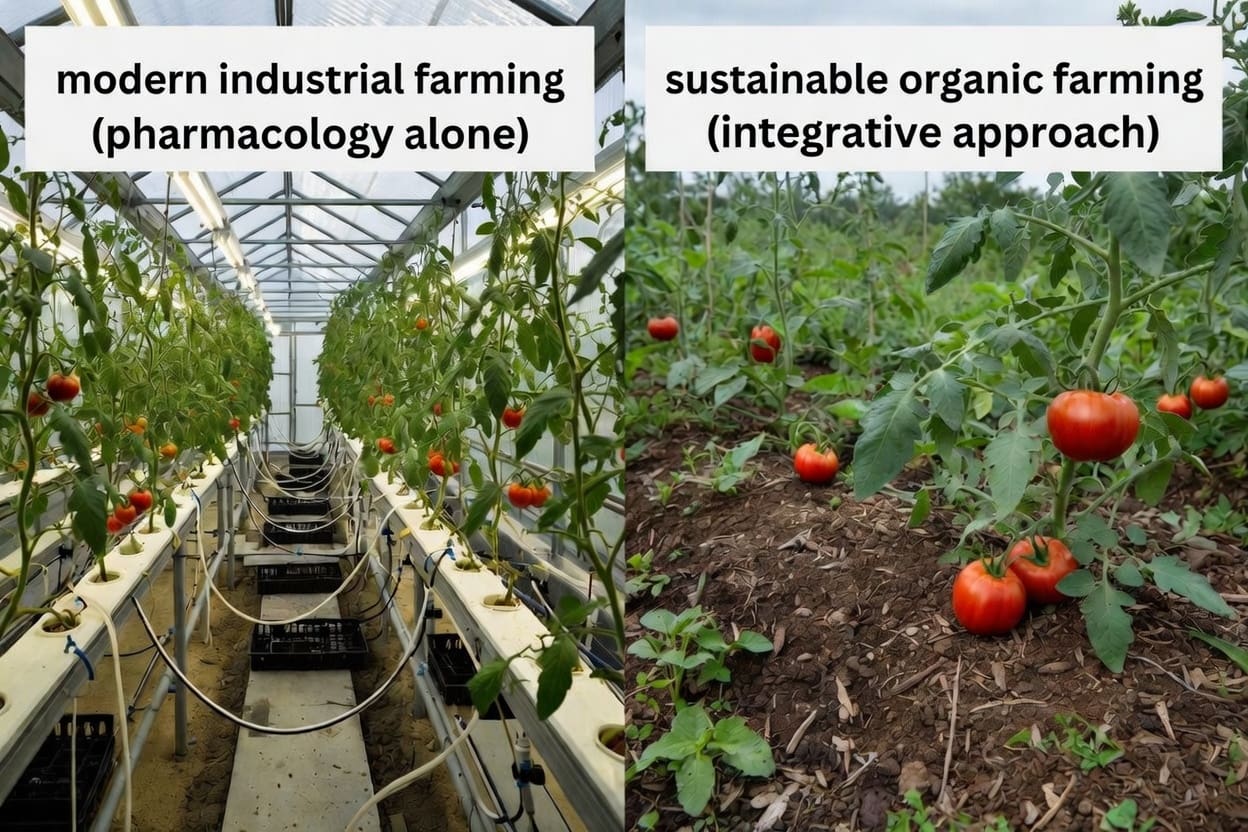
Above image: Modern industrial farming (pharmacology alone) can produce short-term results, but only as long as the constant chemical inputs continue. Stop the inputs and the plants quickly decline, because the underlying soil health was never built. Sustainable organic farming (integrative approach) cultivates rich, living soil that sustains healthy, nutrient-dense fruit even without constant intervention.
Part 4: Beyond Pharmacology Alone. Integrative Soil Cultivation for Lasting Chronic Condition Mitigation
February 20, 2026
By Humaculture, Inc.
This is the fourth in a 5-part companion series to ICSL’s analysis of post-COVID health trends and morbidity pressures.
- In Part 1, we examined the broad crisis of rising chronic conditions driving costs.
- In Part 2, we applied the Topological Model to variable-demand operations like trucking.
- In Part 3, we explored chronic surges across large workforces using actual employer data.
- Here, we build on these insights to examine why pharmacology alone falls short, and how an integrative Humaculture® Topological approach (“soil cultivation”) offers a sustainable, organic path forward.
While ICSL’s companion article, “Why GLP-1 Drugs Alone Aren’t Enough – The Case for Integrative Solutions,” highlights the limitations of a pharmacology-first mindset, Humaculture® focuses on the Organizational solution. We refine “soil” (Structure, Assets, Processes—the Organization Domain) to enable natural, lasting resilience and Created Value.
As a leader in health benefits, risk management, or workforce wellness, you’ve seen the promise of GLP-1 drugs. Impressive short-term weight loss. Better blood sugar control. Reduced cardiometabolic risks. Many hoped these medications would finally bend the curve on chronic disease burdens that drive medical claims, disability costs, and absence.
Yet the limitations have become clear: high dropout rates, substantial weight regain upon discontinuation, muscle loss, side effects, and access barriers. These issues persist because pharmacology-first approaches treat symptoms without addressing the root causes. The underlying causes (poor nutrition, sedentary lifestyle, and behavioral patterns), remain unaddressed.
The Limitation of Forcing the “Plant” with Pharmacology Alone
Many people instinctively reach for the newest pharmaceutical tool. They force the “plant” (People) toward outcomes despite depleted conditions. A pharmacology-first mindset is like painting over a mildewed wall. The problem is hidden in the short-term, but reappears quickly because the root cause was only masked. Unintended consequences emerge and natural defenses weaken over time.
GLP-1 drugs deliver impressive short-term results (Diabetes, Obesity and Metabolism 2022), but studies show discontinuation leads to rapid regain, often 50 to 100 percent of lost weight within 12 months (Rubino, JAMA 2022). Dropout rates run high, driven by side effects, cost, and access barriers (Rodriguez, JAMA 2022). Even sustained use carries risks like muscle loss (15 to 40 percent – ScienceInsights, 2025)and long-term risks (Healthhoper 2026).
Weight is just one piece of the puzzle. Elevated weight increases risk for cardiac and circulatory disease, neurological impairment, metabolic and digestive disorders, and many cancers. Yet pharmacology-first thinking treats symptoms rather than first supporting the body’s natural ability to restore health through nutrition, fitness, behavior, and prevention.
Temporary gains fade when the underlying “soil” remains poor. Short-term productivity comes at the price of sustained resilience. This mirrors trends where chronic conditions drive recurring claims, lengthened disability durations, and escalating costs.
Frustration grows as costs climb and workforce health continues to strain the business. You recognize that there must be a better way to manage our health costs. What if a more integrative approach could finally unlock the lasting resilience you’ve been seeking?
The Humaculture® Topological Model: A Practical Guide for Integrative “Cultivation”
The Humaculture® Topological Model gives leaders a clear, practical framework for this shift. It shows exactly where to refine the Organizational “soil” so People can thrive naturally and produce lasting Created Value. Three Domains interact without hierarchy:
| Domain | Challenges (Current State) | Success (Integrative Outcome) |
| Environment Domain | Rigid regulations, high drug costs, limited access to preventive care | Strong partnerships with vendors that prioritize integrative protocols and flexible plan designs |
| Organization Domain | Fragmented benefits programs, misaligned vendors, pharmacology-first defaults | Clear standards across all health, wellness, leave, disability, and workers’ compensation programs; every partner adopts integrative-first protocols (Food as Medicine, Exercise as Medicine); misaligned vendors are replaced |
| People Domain | Unaddressed personal distractions and low intrinsic motivation | Empowered, accountable Talent inclined toward health, with the tools and autonomy to perform at their best |
When leaders intentionally orchestrate these Domains through the Dynamic Matrix, the entire system becomes self-reinforcing. Resilient People produce sustainable Created Value cycle after cycle.
The Decisive Choice: Refine the “Soil” for Integrative Cultivation
Effective workplaces lay the foundation for lasting health and resilience in organizations facing chronic condition pressures. Families and Work Institute defines an effective workplace, and their research demonstrates that an effective workplace yields roughly twice-better health outcomes relative to low-effective workplaces, reducing chronic stress, fatigue-related risks, and claims severity while strengthening retention and engagement.
The turning point comes when the leader chooses intentional, integrative “cultivation” over pharmacology-first fixes. Instead of another drug-centric incentive or coverage expansion, they reallocate Assets toward merit-based Processes designed to attract and retain empowered Talent already inclined toward health. They establish clear standards and expectations across all health, wellness, leave, disability, and workers’ compensation programs and require every solution provider partner to adopt integrative-first protocols (Food as Medicine, Exercise as Medicine), ensuring full alignment and replacing any misaligned vendors that prioritize pharmacology-only approaches. Any vendor whose primary goal is adherence to prescription drug protocols is a clear red flag that they are not focused on improved health and should be replaced to ensure full alignment.
Resolution: Measurable Victory and Renewed Operations
Organizations that consistently feed the Organizational “soil” achieve balanced, lasting success. The resolution is measurable victory: higher People Health Quotient (PHQ) and Organization Healthful Quotient (OHQ), meaningful reductions in disability costs and absenteeism, stronger retention and engagement, substantially multiplied Created Value, and a renewed operation ready for the next cycle. Just as organic gardening produces fruit with significantly higher nutrient density, integrative health solutions is like “soil” cultivation (Organization Domain refinement) that yields resilient People who deliver superior, sustainable outcomes.
For leaders facing chronic condition pressures, the results include:
- Economic. Strong multi-dollar returns on investment. Meaningful reductions in medical and prescription drug spending, disability costs, and indirect disruptions. Easier recruiting of ideal Talent. Reduced turnover. Fewer recurring claims. Recovered productivity that directly protects financial stability.
- Effectual. Tangible risk reduction. Lower chronic disease progression. Decreased utilization severity. Faster recovery from health events. Measurable declines in the key post-COVID morbidity drivers.
- Emotional. Authentic resonance through merit-based recognition, constructive challenge, and mission alignment. This builds voluntary engagement and retention rather than dependency or resentment.
The outcome is multiplied Created Value. Higher retention. More productive teams. More stable operations. Reduced absenteeism and disruptions. The organization becomes self-reinforcing. Resilient People produce sustainable Created Value (“fruit”) cycle after cycle.
Next up, in Part 5, we’ll examine partnering to address chronic risk at scale. Companion to ICSL’s focused analysis.
Take the First Step
As a starting point, contact Humaculture® for a review of your medical, disability, workers’ compensation, and absenteeism data, mapped to the Dynamic Matrix. We’ll identify leverage points to cultivate resilience and Created Value in your unique terrain.
Read the companion ICSL article for the full view of why pharmacology alone isn’t enough. Join us in building organizations where People don’t just manage chronic risk. They flourish despite it.
Contact: Steve Cyboran at Steve.Cyboran@Humaculture.com, Wes Rogers at Wes.Rogers@Humaculture.com, or Caroline Cyboran at caroline.cyboran@humaculture.com
Website: humaculture.com
LinkedIn: humaculture-inc
Humaculture® — Cultivate Organizations, Grow People.
Chronic Condition Surges in the Workforce: Refining “Soil” Resilience

Part 3: Chronic Condition Surges and Workforce Impacts. Refining Organizational “Soil” for Population Resilience
February 5, 2026
By Humaculture, Inc.
This is the third in a 5-part companion series to ICSL’s analysis of post-COVID health trends and morbidity pressures. In Part 1, we examined the broad crisis of rising chronic conditions driving costs across insurance and benefits programs. In Part 2, we applied the Topological Model to variable-demand operations like trucking, where isolation, sedentary work, and limited nutrition access make health risks hit harder. Here, we focus on real employer impacts—drawing from anonymized client data and industry trends to show chronic condition surges in the workforce—and how the Dynamic Matrix helps you diagnose your unique terrain and refine your “soil” for lasting results.
While ICSL’s article, “Real Employer Impacts – Post-COVID Disability and Cost Surges,” illuminates the clinical and industry realities deepening in 2025, Humaculture® offers the organizational framework for sustainable solutions. We refine Organizational “soil” (Structure, Assets, Processes) so People naturally thrive and produce Created Value.
You’ve worked hard to build a strong team, developing competitive benefits, wellness incentives, and support programs. You’ve done the things leaders do to keep people healthy and productive. But lately, something’s different. Chronic condition surges in the workforce are shifting the landscape. Disability claims are up sharply. Medical costs are climbing. Absence is dragging on performance. The pressure is real, and it’s hitting the workforce you’ve helped develop.
When Traditional Approaches Could Only Slow the Surge
You’ve tried the usual tools, such as expanded EAPs, provided more generous return-to-work programs, broader coverage, bigger incentives. They helped: some claims slowed, some people returned faster, but the surge kept going. Recurring issues lengthened overall durations. Underlying health problems didn’t go away. Frustration set in as the team you’ve built started to feel the strain.
A Diagnostic Path Emerges
That’s when curiosity turned toward a different approach. ICSL showed a better way: early identification, nutrition and fitness focus, behavioral support, integrative strategies. By diagnosing the root drivers behind disability and cost surges, ICSL acts like a “soil” test for your garden. It reveals what’s really wrong so you can fix it right.
Industry-wide data confirms the scale. The number of people with disabilities in the U.S. labor force (in thousands) rose sharply after 2020 and has continues to rise (FRED data). This isn’t an isolated problem. It’s widespread and persistent, touching organizations everywhere.
The Humaculture® Topological Model: A Mentor for Diagnosing and Refining Large Workforces
The Humaculture® Topological Model provides a proven framework. Three Domains interact fluidly without hierarchy to foster purposeful Value Creation. The Dynamic Matrix provides profound insights into the connections (topology) between them. It lets you see leverage points and unintended consequences before problems escalate.
The cultivated “soil” is the Organization Domain (Structure, Assets, and Processes) that enables the “plants” (People) to thrive within the broader terrain (Environment).
- Environment Domain. The broader terrain. Rules (benefits regulations, labor laws), Natural Resources (health plan budgets, vendor networks), Community (employees, unions, regulators, potential employees).
- Challenges: Post-COVID morbidity surge, rising claims across large populations, regulatory constraints on incentives.
- Opportunities: Align external conditions with internal resilience through data-driven plan design and vendor partnerships for preventive support.
- Organization Domain. The cultivated “soil”. Structure (flat governance, administrative hierarchies), Assets (financial reserves, technology platforms), Processes (Leadership and Operational).
- Challenges: Recurring claims lengthening durations, administrative delays, inconsistent support for chronic conditions.
- Opportunities: Reliable execution of these Processes creates a well-functioning operation where people rely on consistent support, fair accommodations, and financial stability.
- People Domain. The “plants”. Personal Characteristics (age, gender, height, weight, behavioral heuristics such as empowerment vs. entitlement focus), Skills/Training/Education/Experiences (health literacy, chronic condition self-management), Created Value (productivity, engagement, service delivery).
- Challenges: Sustained chronic utilization, recurring disability, absenteeism from unmanaged conditions.
- Opportunities: Refined “soil” enables people to manage chronic risks without overload, producing resilient, healthy, productive Talent.
The Decisive Choice: Refine the “Soil”
Think of your workforce like a garden of tomatoes. Some “plants” are struggling: wilted leaves, poor yield. Is it missing nutrients? Too much water? Bad drainage? Variable weather? ICSL screenings are the “soil” test, showing exactly what’s off. The Humaculture® Topological Model helps you refine the “soil” based on that diagnosis to attract and retain the right “plants” that will thrive in the improved conditions.
In large workforces facing chronic condition surges, effective workplaces don’t just happen. They require intentional orchestration of the Dynamic Matrix with meaningful challenge through purposeful work, responsive supervisor support, autonomy over aspects of the job, co-worker backing through peer networks, respect for contributions, work-life fit with predictable recovery time, adequate pay, and opportunity for advancement. Research from the Families and Work Institute shows such workplaces yield roughly twice-better health outcomes relative to low-effective workplaces, reducing chronic stress, fatigue-related risks, and claims severity while strengthening retention and engagement.
The turning point is when you decide to refine the “soil” intentionally. Instead of another generic program or incentive tweak, reallocate Assets toward merit-based Processes, embed practical biometric feedback in Performance Nurturing, adjust benefits administration through Resource Allocation, align Cultural Nurturing with mission and independence, and build peer networks and mentorship to foster belonging and support.
Client data shows this works. Integrative health support improved biometric measures and reduced claims and employee costs year-over-year. In another organization, refined Processes reduced unscheduled absence by 60%. These structures activate within Cultural Nurturing and Community Engagement, helping People connect and become resilient despite ongoing pressures.
Brief daily routines with high adherence have been shown to substantially reduce pain levels and support sustained focus and productivity. Deeply integrated workplace resilience programs focused on empowerment, including coaching for lifestyle, fitness, nutrition, and gut/digestive health, deliver strong returns on investment when designed within a broader initiative. A shift in focus toward merit, health, and empowerment can also attract and retain Talent already inclined toward health and productivity. These yield meaningful improvements in chronic disease risk factors, reductions in symptom burden, and corresponding lower medical spending and claims severity, addressing widespread post-COVID morbidity. Embedded support for health-related absences, when part of broader resilience Processes, significantly shortens disability durations tied to chronic conditions, producing high ROI.
HARS™ (Health, Absence, Resilience Support) is a sub-knowledge set within the Topological Model. It specifically addresses, analyzes, and predicts Process improvements to achieve the Three Promises in health, absence, and resilience areas.
Resolution: Measurable Victory and Renewed Operations
Organizations that consistently feed the Organizational “soil” achieve balanced, lasting success. The resolution is measurable victory: higher People Health Quotient (PHQ) and Organization Healthful Quotient (OHQ), meaningful reductions in disability costs and absence, stronger retention and engagement, substantially multiplied Created Value, and a renewed operation ready for the next cycle.
For leaders managing large workforces facing chronic condition surges, the results include:
- Economic. Strong multi-dollar returns on investment. Meaningful reductions in medical spending, disability costs, and indirect disruptions. Easier recruiting of ideal Talent, reduced turnover, fewer recurring claims, and recovered productivity that directly protects financial stability.
- Effectual. Tangible risk reduction, lower chronic disease progression, decreased utilization severity, faster recovery from health events, and measurable declines in the key post-COVID morbidity drivers.
- Emotional. Authentic resonance through merit-based recognition, constructive challenge, and mission alignment. This builds voluntary engagement and retention rather than dependency or resentment.
The outcome is multiplied Created Value, with Higher retention, more productive teams, more stable operations, reduced absenteeism and disruptions. The organization becomes self-reinforcing. Resilient People produce sustainable fruit cycle after cycle.
Next week, in Part 4, we’ll examine why pharmacology alone isn’t enough. Companion to ICSL’s focused analysis.
Take the First Step
As a starting point, contact Humaculture® for a review of your medical, disability, workers’ compensation, and absenteeism data. We’ll identify leverage points to cultivate resilience and Created Value in your unique terrain.
Read the companion ICSL article for the full view of employer impacts: https://www.linkedin.com/pulse/real-employer-impacts-post-covid-disability-9ndme. Join us in building organizations where People don’t just manage chronic risk. They flourish despite it.
Contact: Steve Cyboran at Steve.Cyboran@Humaculture.com, Wes Rogers at Wes.Rogers@Humaculture.com, or Caroline Cyboran at caroline.cyboran@humaculture.com
LinkedIn: humaculture-inc
Humaculture® — Cultivate Organizations, Grow People.
Chronic Health Risks in Trucking: Cultivating Soil Resilience in Variable-Demand Operations
Part 2: Chronic Health Risks in Variable-Demand Operations. Cultivating Soil Resilience in Trucking and Beyond
January 29, 2026
By Humaculture, Inc.
This is the second in a 5-part companion series to ICSL’s analysis of post-COVID health trends and morbidity pressures. In Part 1, we explored how cultivating Organizational “soil” addresses rising chronic conditions across insurance and benefits programs. Here, we apply that framework to variable-demand operations—trucking, bus driving, construction equipment, forklifts, warehouse management, order picking, and similar roles—where the challenge of chronic health risks has been exacerbated.
While ICSL’s companion article, “Trucking Industry Health Crisis – Driver Deaths, Shortages, and Safety Risks,” diagnoses the clinical realities in trucking, Humaculture® focuses on the Organizational solution. We enrich “soil” (Structure, Assets, Processes—the Organization Domain) to build resilient People who thrive and produce Created Value.
As a leader in transportation and logistics, you know the operation runs on reliable People. Drivers who deliver. Warehouse managers who coordinate. Forklift operators who load. Order pickers who fulfill. Yet chronic health risks in trucking and variable-demand roles have exacerbated a manageable challenge into a critical bottleneck. Driver deaths. Persistent shortages. Rising accident severity. Workforce disruptions that ripple through service, safety, and costs.
Traditional responses proved insufficient. Higher pay. Recruiting bonuses. Stricter safety protocols. They slowed the decline but could not stop it. Retention stayed difficult. Accidents persisted. Frustration grew as the operation you built began to strain under health-related exits and disruptions.
But what if the most powerful leverage point lies in the Organizational “soil” that shapes resilience in variable-demand conditions?
The Limitation of Forcing the “Plant” Amid Chronic Health Risks in Trucking
Many operations instinctively reach for direct incentives or stricter rules. They force the “plant” (People) to perform despite irregular schedules, long hours alone, limited healthy food options, and sedentary demands. Generic wellness programs, often delivered through yet another standalone app that adds to fatigue, yield modest results at best. Research shows that less-integrated initiatives quickly lose adherence when they conflict with real-world demands. Brief, embedded routines, by contrast, maintain strong participation and deliver meaningful outcomes.
Temporary periods of constructive challenge can build deeper resilience. Think of focused intensity during peak seasons. Much like a seasonal drought prompts roots to grow stronger and access deeper nutrients. When balanced with adequate recovery, these challenges foster long-term adaptability and strength.
Chronic overload tells a different story. Unrelenting irregular hours without sufficient recovery turn constructive stress into toxic overload. The cost is clear. Elevated burnout. Health deterioration. Depleted long-term resilience. Short-term miles come at the price of sustained safety and retention. This mirrors the trends where chronic conditions drive higher disability, deaths, and crash severity.
The difference lies in consistently feeding the “soil”. We refine Processes to enable natural, sustainable growth.
The Humaculture® Topological Model: A Mentor for Sustainable Cultivation in Variable-Demand Operations
The Humaculture® Topological Model provides leaders with a proven framework. Three Domains interact fluidly without hierarchy to foster purposeful Value Creation. The Dynamic Matrix provides profound insights into the connections (topology) between them.
The cultivated “soil” is the Organization Domain—Structure, Assets, and Processes—that enables the “plants” (People) to thrive within the broader terrain (Environment).
Environment Domain
The broader terrain. Rules (hours-of-service regulations, safety standards), Natural Resources (fuel, equipment, rest facilities, capital for investment), Community (customers, regulators, potential employees).
- Challenges: Constant regulatory adaptation, variable fuel costs, customer pressure for speed, limited healthy food options at rest stops.
- Opportunities: Align external conditions with internal resilience through better rest planning, safety compliance, and partnerships among peer Organizations and vendors to improve access to nutritious food options.
Organization Domain
The cultivated “soil”. Structure (flat governance, route planning hierarchies), Assets (trucks, technology, financial reserves), Processes (Leadership and Operational). Leadership Processes set direction and norms: Strategic Planning aligns long-term routes with health needs; Resource Allocation funds reliable scheduling, equipment, and family-supportive benefits; Skill Development builds advanced safety and fatigue-management capabilities; Community Engagement incorporates customer feedback for realistic timelines; Cultural Nurturing fosters respect and mission resonance; Performance Nurturing provides feedback on routes and well-being. Operational Processes execute day-to-day reliability: predictable dispatching, payroll accuracy, maintenance schedules, compliance workflows, and administrative support for leave or family needs.
- Challenges: Irregular hours, equipment downtime, administrative delays, sedentary lifestyle demands.
- Opportunities: Reliable execution of these Processes creates a well-functioning operation where People rely on consistent management support, fair schedules, and financial stability.
People Domain
The “plants”. Personal Characteristics (age, gender, height, weight, behavioral heuristic), Skills/Training/Education/Experiences (CDL certification, HAZMAT training, Supply Chain Warehousing Certificate), Created Value (safe deliveries, on-time performance, customer satisfaction).
- Challenges: Isolation, sedentary lifestyle, poor nutrition access.
- Opportunities: Refined “soil” enables People to manage variability without chronic overload, producing resilient, healthy, productive Talent.
In variable-demand operations like trucking, effective workplaces do not emerge by accident. They require intentional orchestration of the Dynamic Matrix—meaningful challenge through purposeful work, responsive supervisor support, autonomy over aspects of tasks, co-worker backing through peer networks, respect for contributions, work-life fit with predictable recovery time, fair pay and advancement paths. Research from the Families and Work Institute shows such workplaces yield roughly twice-better health outcomes relative to low-effective workplaces, reducing chronic stress, fatigue-related risks, and claims severity while strengthening retention and safety.
The Decisive Choice: Refine the “Soil”
The turning point comes when the leader chooses intentional cultivation over leaving the Dynamic Matrix uncoordinated. Instead of another bonus program or compliance rule, they reallocate Assets toward merit-based Processes. They embed practical biometric feedback in Performance Nurturing. Adjust scheduling safeguards through Resource Allocation. Align Cultural Nurturing with mission and independence. Foster peer networks and mentorship to build belonging and support.
Published examples show this works. J.B. Hunt fosters belonging through driver appreciation events. Swift Transportation Mentor Program has experienced drivers mentor new ones on real-world skills, safety, and adaptation – focusing on performance improvement and retention through direct peer guidance. PAM Transport Driver Mentor Program allows mentors to earn extra pay while guiding new drivers on routes, safety, and lifestyle management – delivering practical, incentive-driven peer support for job success and resilience. Averitt Express provides paid training with personal driver trainers (experienced peers) for onboarding and skill development, supporting reliability and peer learning. Schneider’s Driver Ambassadors, selected for excellence, advocate improvements to the driver experience. Opportunities remain to develop virtual networks and revive depot meetups, creating informal communities that combat isolation and provide practical co-worker support for job success. These structures activate within Cultural Nurturing and Community Engagement, helping People feel connected despite the road.
Brief daily routines with high adherence have been shown to substantially reduce pain levels and support sustained focus—countering sedentary demands. Deeply integrated workplace resilience programs, including preventive coaching for lifestyle, nutrition, and gut/digestive health, deliver strong multi-dollar returns on investment when designed to attract and retain Talent already inclined toward health. These yield meaningful improvements in chronic disease risk factors, reductions in symptom burden, and corresponding lower medical spending and claims severity—addressing limited healthy food options on the road. Embedded support for health-related absences, when part of broader resilience Processes, significantly shortens disability durations tied to chronic conditions, producing high ROI.
HARS™ (Health, Absence, Resilience Support) is a sub-knowledge set within the Topological Model. It specifically addresses, analyzes, and predicts Process improvements to achieve the Three Promises in health, absence, and resilience areas.
Resolution: Measurable Victory and Renewed Operations
Organizations that consistently feed the Organizational “soil” achieve balanced, lasting success. The resolution is measurable victory: higher People Health Quotient (PHQ) and Organization Health Quotient (OHQ), meaningful reductions in disability costs and absenteeism, stronger retention and engagement, substantially multiplied Created Value, and a renewed operation ready for the next cycle.
For leaders in transportation and logistics facing chronic health risks in trucking, the results include:
- Economic. Strong multi-dollar returns on investment. Meaningful reductions in medical spending, disability costs, insurance premiums, and indirect disruptions. Easier recruiting of ideal drivers. Reduced turnover. More drivers passing DOT health examinations. Fewer safety incidents. This results in recovered productivity that directly protects operational stability.
- Effectual. Tangible risk reduction. Lower chronic disease progression. Decreased accident severity. Faster recovery from health events. This supports measurable declines in the key post-COVID morbidity drivers.
- Emotional. Authentic resonance through merit-based recognition, constructive challenge, and mission alignment. This builds voluntary engagement and retention rather than dependency or resentment.
The outcome is multiplied Created Value. Higher retention. Safer miles. More stable operations. Reduced shortages and disruptions. The operation becomes self-reinforcing. Resilient People produce sustainable fruit cycle after cycle.
Next week, in Part 3, we’ll examine chronic condition surges and broader workforce impacts. Companion to ICSL’s focused analysis.
Take the First Step
As a starting point, contact Humaculture® for a review of your medical, disability, workers’ compensation, and absenteeism data, mapped to the Dynamic Matrix. We’ll identify leverage points to cultivate resilience and Created Value in your unique terrain.
Read the companion ICSL article for the full view of trucking challenges. Join us in building operations where People don’t just endure variability. They flourish within it.
Contact us if you would like to learn more or have your data analyzed.
LinkedIn: humaculture-inc
Humaculture® — Cultivate Organizations, Grow People.
Humaculture, Inc. Sponsors Misericordia Fundraiser
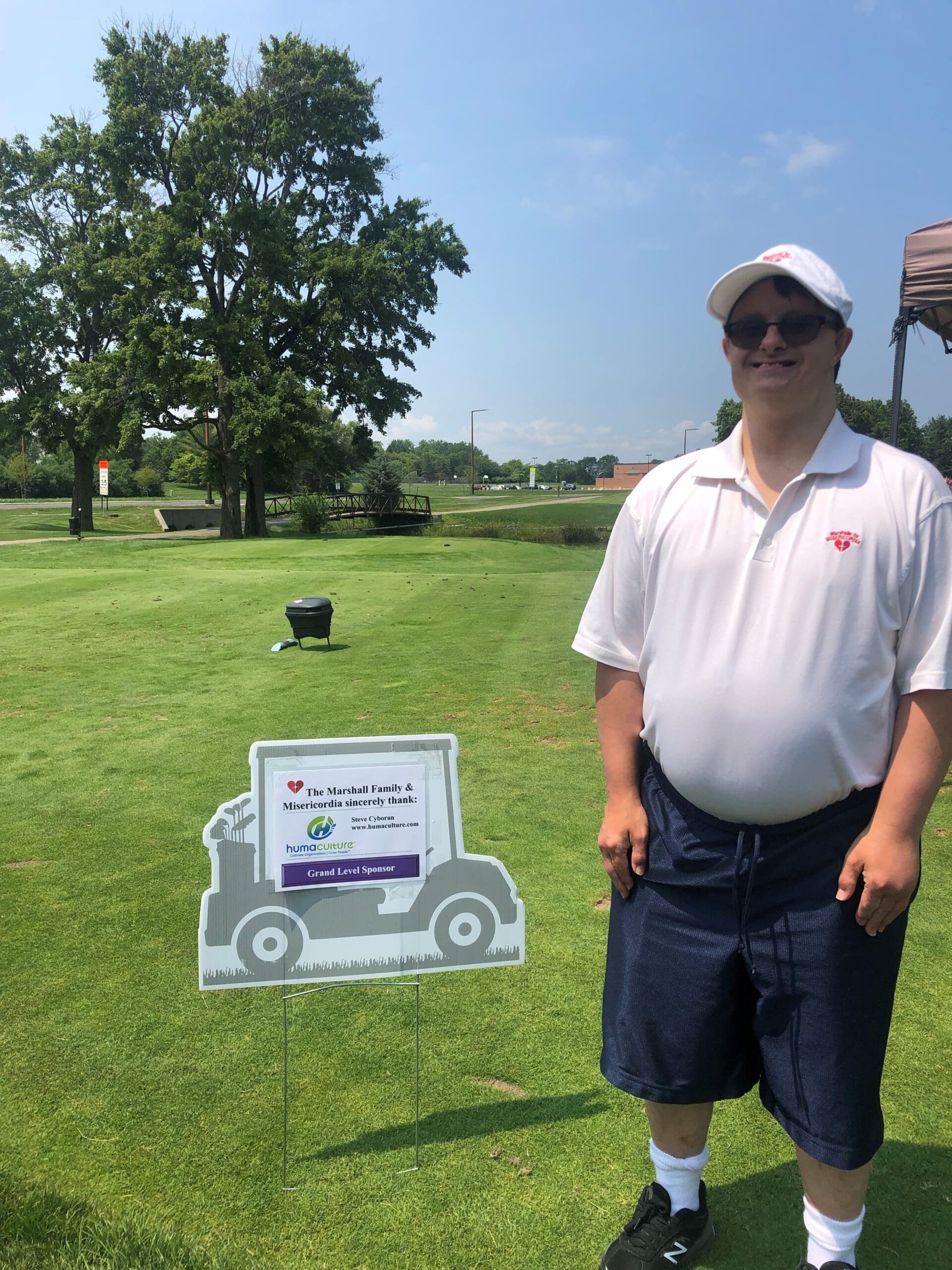
Creating organizations that allow people with various special needs to realize their potential and thrive is a key aspect of the Humaculture® philosophy and approach. As such, we are proud to announce that Humaculture, Inc. sponsored the “Marshalls for Misericordia Golf Outing”. Misericordia is located in Chicago, Illinois. It is home to over 600 individuals with a broad range mental and physical disabilities. The annual “Marshalls for Misericordia Golf Outing” raises funds to benefit Misericordia Home. You can learn more about Misericordia at https://www.misericordia.com/.


