
Category: Time Off
Chronic Condition Surges in the Workforce: Refining “Soil” Resilience

Part 3: Chronic Condition Surges and Workforce Impacts. Refining Organizational “Soil” for Population Resilience
February 5, 2026
By Humaculture, Inc.
This is the third in a 5-part companion series to ICSL’s analysis of post-COVID health trends and morbidity pressures. In Part 1, we examined the broad crisis of rising chronic conditions driving costs across insurance and benefits programs. In Part 2, we applied the Topological Model to variable-demand operations like trucking, where isolation, sedentary work, and limited nutrition access make health risks hit harder. Here, we focus on real employer impacts—drawing from anonymized client data and industry trends to show chronic condition surges in the workforce—and how the Dynamic Matrix helps you diagnose your unique terrain and refine your “soil” for lasting results.
While ICSL’s article, “Real Employer Impacts – Post-COVID Disability and Cost Surges,” illuminates the clinical and industry realities deepening in 2025, Humaculture® offers the organizational framework for sustainable solutions. We refine Organizational “soil” (Structure, Assets, Processes) so People naturally thrive and produce Created Value.
You’ve worked hard to build a strong team, developing competitive benefits, wellness incentives, and support programs. You’ve done the things leaders do to keep people healthy and productive. But lately, something’s different. Chronic condition surges in the workforce are shifting the landscape. Disability claims are up sharply. Medical costs are climbing. Absence is dragging on performance. The pressure is real, and it’s hitting the workforce you’ve helped develop.
When Traditional Approaches Could Only Slow the Surge
You’ve tried the usual tools, such as expanded EAPs, provided more generous return-to-work programs, broader coverage, bigger incentives. They helped: some claims slowed, some people returned faster, but the surge kept going. Recurring issues lengthened overall durations. Underlying health problems didn’t go away. Frustration set in as the team you’ve built started to feel the strain.
A Diagnostic Path Emerges
That’s when curiosity turned toward a different approach. ICSL showed a better way: early identification, nutrition and fitness focus, behavioral support, integrative strategies. By diagnosing the root drivers behind disability and cost surges, ICSL acts like a “soil” test for your garden. It reveals what’s really wrong so you can fix it right.
Industry-wide data confirms the scale. The number of people with disabilities in the U.S. labor force (in thousands) rose sharply after 2020 and has continues to rise (FRED data). This isn’t an isolated problem. It’s widespread and persistent, touching organizations everywhere.
The Humaculture® Topological Model: A Mentor for Diagnosing and Refining Large Workforces
The Humaculture® Topological Model provides a proven framework. Three Domains interact fluidly without hierarchy to foster purposeful Value Creation. The Dynamic Matrix provides profound insights into the connections (topology) between them. It lets you see leverage points and unintended consequences before problems escalate.
The cultivated “soil” is the Organization Domain (Structure, Assets, and Processes) that enables the “plants” (People) to thrive within the broader terrain (Environment).
- Environment Domain. The broader terrain. Rules (benefits regulations, labor laws), Natural Resources (health plan budgets, vendor networks), Community (employees, unions, regulators, potential employees).
- Challenges: Post-COVID morbidity surge, rising claims across large populations, regulatory constraints on incentives.
- Opportunities: Align external conditions with internal resilience through data-driven plan design and vendor partnerships for preventive support.
- Organization Domain. The cultivated “soil”. Structure (flat governance, administrative hierarchies), Assets (financial reserves, technology platforms), Processes (Leadership and Operational).
- Challenges: Recurring claims lengthening durations, administrative delays, inconsistent support for chronic conditions.
- Opportunities: Reliable execution of these Processes creates a well-functioning operation where people rely on consistent support, fair accommodations, and financial stability.
- People Domain. The “plants”. Personal Characteristics (age, gender, height, weight, behavioral heuristics such as empowerment vs. entitlement focus), Skills/Training/Education/Experiences (health literacy, chronic condition self-management), Created Value (productivity, engagement, service delivery).
- Challenges: Sustained chronic utilization, recurring disability, absenteeism from unmanaged conditions.
- Opportunities: Refined “soil” enables people to manage chronic risks without overload, producing resilient, healthy, productive Talent.
The Decisive Choice: Refine the “Soil”
Think of your workforce like a garden of tomatoes. Some “plants” are struggling: wilted leaves, poor yield. Is it missing nutrients? Too much water? Bad drainage? Variable weather? ICSL screenings are the “soil” test, showing exactly what’s off. The Humaculture® Topological Model helps you refine the “soil” based on that diagnosis to attract and retain the right “plants” that will thrive in the improved conditions.
In large workforces facing chronic condition surges, effective workplaces don’t just happen. They require intentional orchestration of the Dynamic Matrix with meaningful challenge through purposeful work, responsive supervisor support, autonomy over aspects of the job, co-worker backing through peer networks, respect for contributions, work-life fit with predictable recovery time, adequate pay, and opportunity for advancement. Research from the Families and Work Institute shows such workplaces yield roughly twice-better health outcomes relative to low-effective workplaces, reducing chronic stress, fatigue-related risks, and claims severity while strengthening retention and engagement.
The turning point is when you decide to refine the “soil” intentionally. Instead of another generic program or incentive tweak, reallocate Assets toward merit-based Processes, embed practical biometric feedback in Performance Nurturing, adjust benefits administration through Resource Allocation, align Cultural Nurturing with mission and independence, and build peer networks and mentorship to foster belonging and support.
Client data shows this works. Integrative health support improved biometric measures and reduced claims and employee costs year-over-year. In another organization, refined Processes reduced unscheduled absence by 60%. These structures activate within Cultural Nurturing and Community Engagement, helping People connect and become resilient despite ongoing pressures.
Brief daily routines with high adherence have been shown to substantially reduce pain levels and support sustained focus and productivity. Deeply integrated workplace resilience programs focused on empowerment, including coaching for lifestyle, fitness, nutrition, and gut/digestive health, deliver strong returns on investment when designed within a broader initiative. A shift in focus toward merit, health, and empowerment can also attract and retain Talent already inclined toward health and productivity. These yield meaningful improvements in chronic disease risk factors, reductions in symptom burden, and corresponding lower medical spending and claims severity, addressing widespread post-COVID morbidity. Embedded support for health-related absences, when part of broader resilience Processes, significantly shortens disability durations tied to chronic conditions, producing high ROI.
HARS™ (Health, Absence, Resilience Support) is a sub-knowledge set within the Topological Model. It specifically addresses, analyzes, and predicts Process improvements to achieve the Three Promises in health, absence, and resilience areas.
Resolution: Measurable Victory and Renewed Operations
Organizations that consistently feed the Organizational “soil” achieve balanced, lasting success. The resolution is measurable victory: higher People Health Quotient (PHQ) and Organization Healthful Quotient (OHQ), meaningful reductions in disability costs and absence, stronger retention and engagement, substantially multiplied Created Value, and a renewed operation ready for the next cycle.
For leaders managing large workforces facing chronic condition surges, the results include:
- Economic. Strong multi-dollar returns on investment. Meaningful reductions in medical spending, disability costs, and indirect disruptions. Easier recruiting of ideal Talent, reduced turnover, fewer recurring claims, and recovered productivity that directly protects financial stability.
- Effectual. Tangible risk reduction, lower chronic disease progression, decreased utilization severity, faster recovery from health events, and measurable declines in the key post-COVID morbidity drivers.
- Emotional. Authentic resonance through merit-based recognition, constructive challenge, and mission alignment. This builds voluntary engagement and retention rather than dependency or resentment.
The outcome is multiplied Created Value, with Higher retention, more productive teams, more stable operations, reduced absenteeism and disruptions. The organization becomes self-reinforcing. Resilient People produce sustainable fruit cycle after cycle.
Next week, in Part 4, we’ll examine why pharmacology alone isn’t enough. Companion to ICSL’s focused analysis.
Take the First Step
As a starting point, contact Humaculture® for a review of your medical, disability, workers’ compensation, and absenteeism data. We’ll identify leverage points to cultivate resilience and Created Value in your unique terrain.
Read the companion ICSL article for the full view of employer impacts: https://www.linkedin.com/pulse/real-employer-impacts-post-covid-disability-9ndme. Join us in building organizations where People don’t just manage chronic risk. They flourish despite it.
Contact: Steve Cyboran at [email protected], Wes Rogers at [email protected], or Caroline Cyboran at [email protected]
LinkedIn: humaculture-inc
Humaculture® — Cultivate Organizations, Grow People.
Chronic Health Risks in Trucking: Cultivating Soil Resilience in Variable-Demand Operations
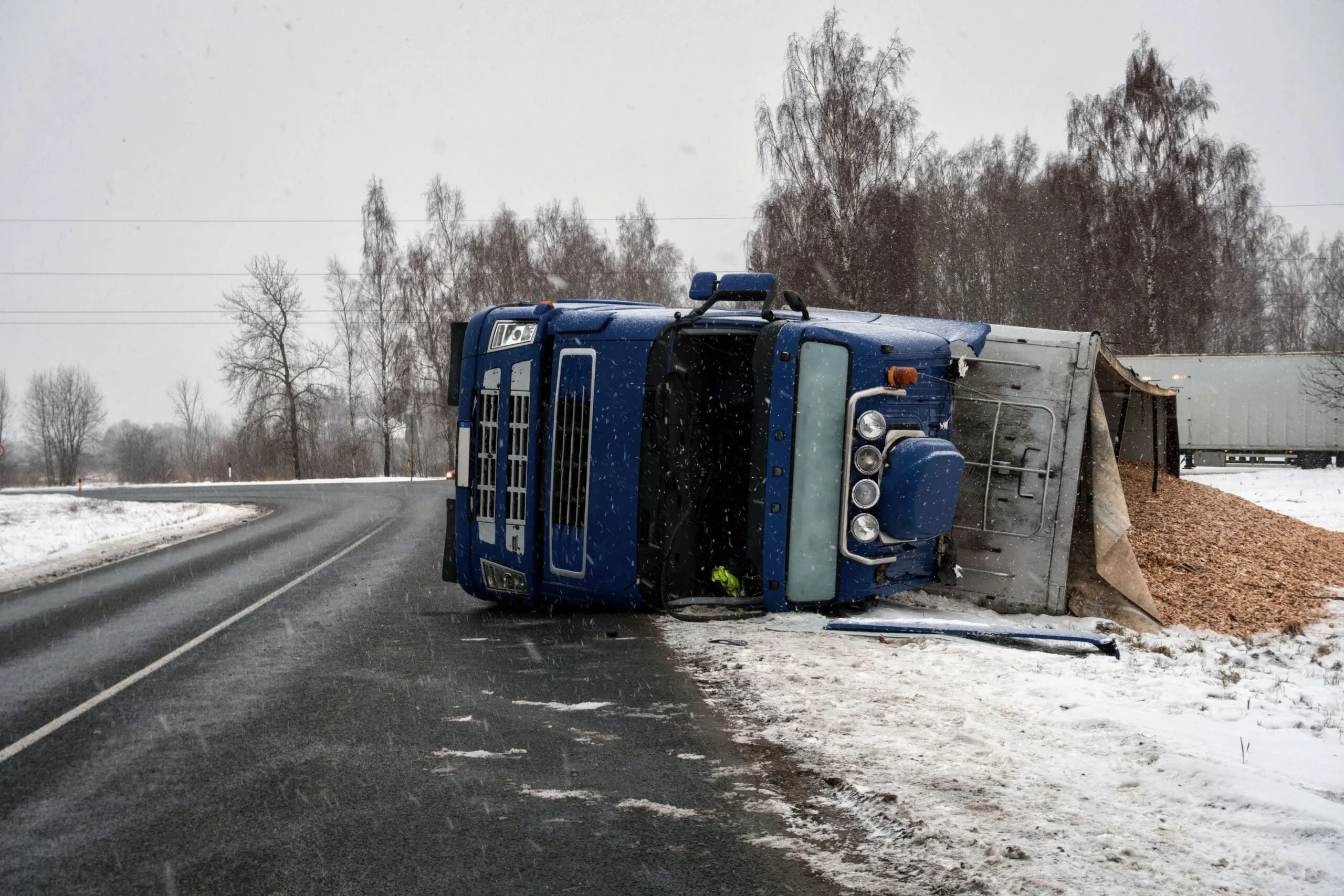
Part 2: Chronic Health Risks in Variable-Demand Operations. Cultivating Soil Resilience in Trucking and Beyond
January 29, 2026
By Humaculture, Inc.
This is the second in a 5-part companion series to ICSL’s analysis of post-COVID health trends and morbidity pressures. In Part 1, we explored how cultivating Organizational “soil” addresses rising chronic conditions across insurance and benefits programs. Here, we apply that framework to variable-demand operations—trucking, bus driving, construction equipment, forklifts, warehouse management, order picking, and similar roles—where the challenge of chronic health risks has been exacerbated.
While ICSL’s companion article, “Trucking Industry Health Crisis – Driver Deaths, Shortages, and Safety Risks,” diagnoses the clinical realities in trucking, Humaculture® focuses on the Organizational solution. We enrich “soil” (Structure, Assets, Processes—the Organization Domain) to build resilient People who thrive and produce Created Value.
As a leader in transportation and logistics, you know the operation runs on reliable People. Drivers who deliver. Warehouse managers who coordinate. Forklift operators who load. Order pickers who fulfill. Yet chronic health risks in trucking and variable-demand roles have exacerbated a manageable challenge into a critical bottleneck. Driver deaths. Persistent shortages. Rising accident severity. Workforce disruptions that ripple through service, safety, and costs.
Traditional responses proved insufficient. Higher pay. Recruiting bonuses. Stricter safety protocols. They slowed the decline but could not stop it. Retention stayed difficult. Accidents persisted. Frustration grew as the operation you built began to strain under health-related exits and disruptions.
But what if the most powerful leverage point lies in the Organizational “soil” that shapes resilience in variable-demand conditions?
The Limitation of Forcing the “Plant” Amid Chronic Health Risks in Trucking
Many operations instinctively reach for direct incentives or stricter rules. They force the “plant” (People) to perform despite irregular schedules, long hours alone, limited healthy food options, and sedentary demands. Generic wellness programs, often delivered through yet another standalone app that adds to fatigue, yield modest results at best. Research shows that less-integrated initiatives quickly lose adherence when they conflict with real-world demands. Brief, embedded routines, by contrast, maintain strong participation and deliver meaningful outcomes.
Temporary periods of constructive challenge can build deeper resilience. Think of focused intensity during peak seasons. Much like a seasonal drought prompts roots to grow stronger and access deeper nutrients. When balanced with adequate recovery, these challenges foster long-term adaptability and strength.
Chronic overload tells a different story. Unrelenting irregular hours without sufficient recovery turn constructive stress into toxic overload. The cost is clear. Elevated burnout. Health deterioration. Depleted long-term resilience. Short-term miles come at the price of sustained safety and retention. This mirrors the trends where chronic conditions drive higher disability, deaths, and crash severity.
The difference lies in consistently feeding the “soil”. We refine Processes to enable natural, sustainable growth.
The Humaculture® Topological Model: A Mentor for Sustainable Cultivation in Variable-Demand Operations
The Humaculture® Topological Model provides leaders with a proven framework. Three Domains interact fluidly without hierarchy to foster purposeful Value Creation. The Dynamic Matrix provides profound insights into the connections (topology) between them.
The cultivated “soil” is the Organization Domain—Structure, Assets, and Processes—that enables the “plants” (People) to thrive within the broader terrain (Environment).
Environment Domain
The broader terrain. Rules (hours-of-service regulations, safety standards), Natural Resources (fuel, equipment, rest facilities, capital for investment), Community (customers, regulators, potential employees).
- Challenges: Constant regulatory adaptation, variable fuel costs, customer pressure for speed, limited healthy food options at rest stops.
- Opportunities: Align external conditions with internal resilience through better rest planning, safety compliance, and partnerships among peer Organizations and vendors to improve access to nutritious food options.
Organization Domain
The cultivated “soil”. Structure (flat governance, route planning hierarchies), Assets (trucks, technology, financial reserves), Processes (Leadership and Operational). Leadership Processes set direction and norms: Strategic Planning aligns long-term routes with health needs; Resource Allocation funds reliable scheduling, equipment, and family-supportive benefits; Skill Development builds advanced safety and fatigue-management capabilities; Community Engagement incorporates customer feedback for realistic timelines; Cultural Nurturing fosters respect and mission resonance; Performance Nurturing provides feedback on routes and well-being. Operational Processes execute day-to-day reliability: predictable dispatching, payroll accuracy, maintenance schedules, compliance workflows, and administrative support for leave or family needs.
- Challenges: Irregular hours, equipment downtime, administrative delays, sedentary lifestyle demands.
- Opportunities: Reliable execution of these Processes creates a well-functioning operation where People rely on consistent management support, fair schedules, and financial stability.
People Domain
The “plants”. Personal Characteristics (age, gender, height, weight, behavioral heuristic), Skills/Training/Education/Experiences (CDL certification, HAZMAT training, Supply Chain Warehousing Certificate), Created Value (safe deliveries, on-time performance, customer satisfaction).
- Challenges: Isolation, sedentary lifestyle, poor nutrition access.
- Opportunities: Refined “soil” enables People to manage variability without chronic overload, producing resilient, healthy, productive Talent.
In variable-demand operations like trucking, effective workplaces do not emerge by accident. They require intentional orchestration of the Dynamic Matrix—meaningful challenge through purposeful work, responsive supervisor support, autonomy over aspects of tasks, co-worker backing through peer networks, respect for contributions, work-life fit with predictable recovery time, fair pay and advancement paths. Research from the Families and Work Institute shows such workplaces yield roughly twice-better health outcomes relative to low-effective workplaces, reducing chronic stress, fatigue-related risks, and claims severity while strengthening retention and safety.
The Decisive Choice: Refine the “Soil”
The turning point comes when the leader chooses intentional cultivation over leaving the Dynamic Matrix uncoordinated. Instead of another bonus program or compliance rule, they reallocate Assets toward merit-based Processes. They embed practical biometric feedback in Performance Nurturing. Adjust scheduling safeguards through Resource Allocation. Align Cultural Nurturing with mission and independence. Foster peer networks and mentorship to build belonging and support.
Published examples show this works. J.B. Hunt fosters belonging through driver appreciation events. Swift Transportation Mentor Program has experienced drivers mentor new ones on real-world skills, safety, and adaptation – focusing on performance improvement and retention through direct peer guidance. PAM Transport Driver Mentor Program allows mentors to earn extra pay while guiding new drivers on routes, safety, and lifestyle management – delivering practical, incentive-driven peer support for job success and resilience. Averitt Express provides paid training with personal driver trainers (experienced peers) for onboarding and skill development, supporting reliability and peer learning. Schneider’s Driver Ambassadors, selected for excellence, advocate improvements to the driver experience. Opportunities remain to develop virtual networks and revive depot meetups, creating informal communities that combat isolation and provide practical co-worker support for job success. These structures activate within Cultural Nurturing and Community Engagement, helping People feel connected despite the road.
Brief daily routines with high adherence have been shown to substantially reduce pain levels and support sustained focus—countering sedentary demands. Deeply integrated workplace resilience programs, including preventive coaching for lifestyle, nutrition, and gut/digestive health, deliver strong multi-dollar returns on investment when designed to attract and retain Talent already inclined toward health. These yield meaningful improvements in chronic disease risk factors, reductions in symptom burden, and corresponding lower medical spending and claims severity—addressing limited healthy food options on the road. Embedded support for health-related absences, when part of broader resilience Processes, significantly shortens disability durations tied to chronic conditions, producing high ROI.
HARS™ (Health, Absence, Resilience Support) is a sub-knowledge set within the Topological Model. It specifically addresses, analyzes, and predicts Process improvements to achieve the Three Promises in health, absence, and resilience areas.
Resolution: Measurable Victory and Renewed Operations
Organizations that consistently feed the Organizational “soil” achieve balanced, lasting success. The resolution is measurable victory: higher People Health Quotient (PHQ) and Organization Health Quotient (OHQ), meaningful reductions in disability costs and absenteeism, stronger retention and engagement, substantially multiplied Created Value, and a renewed operation ready for the next cycle.
For leaders in transportation and logistics facing chronic health risks in trucking, the results include:
- Economic. Strong multi-dollar returns on investment. Meaningful reductions in medical spending, disability costs, insurance premiums, and indirect disruptions. Easier recruiting of ideal drivers. Reduced turnover. More drivers passing DOT health examinations. Fewer safety incidents. This results in recovered productivity that directly protects operational stability.
- Effectual. Tangible risk reduction. Lower chronic disease progression. Decreased accident severity. Faster recovery from health events. This supports measurable declines in the key post-COVID morbidity drivers.
- Emotional. Authentic resonance through merit-based recognition, constructive challenge, and mission alignment. This builds voluntary engagement and retention rather than dependency or resentment.
The outcome is multiplied Created Value. Higher retention. Safer miles. More stable operations. Reduced shortages and disruptions. The operation becomes self-reinforcing. Resilient People produce sustainable fruit cycle after cycle.
Next week, in Part 3, we’ll examine chronic condition surges and broader workforce impacts. Companion to ICSL’s focused analysis.
Take the First Step
As a starting point, contact Humaculture® for a review of your medical, disability, workers’ compensation, and absenteeism data, mapped to the Dynamic Matrix. We’ll identify leverage points to cultivate resilience and Created Value in your unique terrain.
Read the companion ICSL article for the full view of trucking challenges. Join us in building operations where People don’t just endure variability. They flourish within it.
Contact us if you would like to learn more or have your data analyzed.
LinkedIn: humaculture-inc
Humaculture® — Cultivate Organizations, Grow People.
Weathering the Storm: Is Your Organizational “Soil” Healthy Enough to Weather Both Floods and Droughts?

During these unprecedented times with businesses having been shut down due to an outside order by the government in response to COVID-19, many sectors of the economy, labeled as “non-essential,” were ordered to close business for a period. Organizations that are highly leveraged (a significant portion of the revenue is used to pay debt) or in lower margin businesses face an even greater challenge. Organizations need to figure out how to weather the storm. These options may include reduction in force to rolling furloughs, and potentially reorganizing through bankruptcy. What is the right decision for your organization?
If we think about an organization like the soil, the employees like plants growing in the organization, and the fruit they bear as the value or profit of the organization, then horticulture can provide a good analogy from which to view options for addressing the current situation. From a horticultural perspective, the current “storm” is like a drought. The first thing a horticulturist might do, for example, when faced with a drought is add mulch and preserve soil moisture, not jerk plants out of the garden. As another example, during an unexpected late freeze, it may become necessary to cover plants to enable them to maintain their heat.
“It is not nice to garden anywhere. Everywhere there are violent winds, startling once-per-five-centuries floods, unprecedented droughts, record-setting freezes, abusive and blasting heats never known before. There is no place, no garden, where these terrible things do not drive gardeners mad.” Henry Mitchell, author of the Essential Earthman
When weighing options to reduce costs and capacity such as layoffs, furloughs, rolling unpaid time off, treatment of unused PTO, leadership needs to weigh several considerations. For example,
Culture – One of the most important considerations may be how the organization wants to come out of this trying time. The approach may vary depending on the type of culture currently in place. For example:
- Strong, Productive Culture and Balance Sheet – If an organization has a strong, productive culture, with good talent and is financially strong enough to weather the current challenges (e.g., well prepared, fertile soil, that is more resilient), layoffs can be one of the most detrimental actions an organization can take to the long-term health of the organization and its people. There will be a drain on talent that may later be needed to support a strong recovery for the business, and that talent may wind up joining, or starting, competitors and taking a certain portion of knowledge with them. Layoffs made too hastily, where the remaining jobs aren’t redesigned to accommodate the reduction in staff and pick up the essential tasks of those leaving, may result in the need to rehire many of those positions. Then the organization assumes the cost of the layoff, and training of the new hires for the same positions, without any long-term value gain. In addition to considering the impact of the loss of talent from layoffs, the organization should budget for an increase in health, absence, and disability costs. We have seen 5% to 10% unanticipated increase in these costs depending upon the size and nature of the restructuring. The implications of a layoff may have long term impact that may make the long-term cost not worth the short-term gain. Other considerations may achieve the same goal while preserving the culture and health of the organization and its people.
- Culture is In Need of a Refresh – On the other hand, if there has been a need to rethink the culture and business structure (remove plants not well-suited for the garden, transplant some to different soil, and prune existing plants to shape them to be more productive), then it may make sense to consider some form of restructuring of the leadership and/or workforce. This can present a great opportunity to accomplish the organizational change that has been desperately needed but deferred. The type and nature of the restructuring may depend upon the suitability of the employees to achieve the business strategy. Organizational leaders should consider aspects of both cultural alignment and cultural health. A few examples (certainly not comprehensive) to consider may include:
- Working Retired – If there is a segment of the workforce at normal retirement age that may still be employed, but lack the energy and commitment necessary to take the organization where it needs to go. Then the organization may get more energy and innovation from a younger, less costly resource. In this case, an early retirement window may make sense. One client has a location where 70% of the workforce is retirement eligible and has the highest labor costs, but the employees are unprepared and afraid to retire. An early retirement window may be beneficial to those eligible for retirement and the organization.
- Strategically Misaligned – If there are certain businesses or shared service segments that may not be a good strategic fit (not directly driving the strategic priorities of the organization), then the organization may consider selling off, outsourcing, or co-sourcing those functions. For example, if your business is higher education, an outsourced food services contract affords greater flexibility during periods where the campus is shut down.
- Re-alignment – If there are opportunities to automate, streamline, or eliminate positions, then the organization may need to restructure. If the organization chooses this route, it is important that jobs are redesigned to ensure important functions don’t fall through the cracks, that you have the right talent in those positions, which may involve “transplanting” employees to other areas of the organization, and retraining or hiring different talent. Some of our clients have worked with a management consulting firm to evaluate staffing ratios to determine how many people should be appropriate. Following those recommendations, the client reduces staffing levels as indicated, but without redesigning the remaining jobs, they must often rehire those positions because critical work isn’t getting done.
Temporary Nature – Organizations will also need to consider if, and to what extent, this challenge will be a short term. If this will only be a temporary set-back and demand is simply deferred (e.g., delayed purchases such as iPhones, or elective procedures), or even if business will rebound to similar levels of activity from prior to the current downturn, then the organization may want to consider more of a shared responsibility approach with rolling unpaid time off or even furloughs. With the right messaging, the organization may be able to enhance its relationship with employees, letting them know the organization doesn’t want to let any of its teammates go during these challenging times, so we all need to consider ways to save money and share in the sacrifice. However, with 40% of the workforce living paycheck to paycheck[1], they may need to consider the potential impact on the financial well-being of the workforce if they are asked to work less (for example, 20% reduction in hours, and a corresponding 20% pay cut).
“My heightened awareness of stewardship to those within my span of care gave me a clear sense of purpose and clarity through which to view the situation. I thought to myself: We’re a family at Barry-Wehmiller so we need to act like one. What would a responsible family do in this crisis? A loving family would share the burden. Rather than watching a few of our colleagues face devastation, we decided that our reaction would be one of shared sacrifice.” Bob Chapman, CEO of Barry-Wehmiller
Other Cost Saving Opportunities – There are a number of dials in the various reward programs that can be considered. For example, time off programs can be leveraged to save cost and moderate the capacity of the workforce. The time off policies, and other state and local regulations, often drive a number of cost considerations, such as:
- Do you pay out unused PTO upon termination or at the end of the year?
- How does time accrue (e.g., front-load, weekly accruals)?
- To what level and extent should time accrue, or temporarily stop accruing during an economic downturn?
- What is the right level and balance between scheduled time off (PTO/vacation/holidays) vs. unscheduled time off (sick leave, disability, emergency)?
While there may be pressure to make rash decisions to lay people off for quick cost savings to preserve the profitability of the organization, take a step back and consider alternatives that may be similarly impactful, but preserve the “tilth” of the organization for the future.
Authors:
Steve Cyboran, ASA, MAAA, FCA, CEBS, Chief Behavioral Officer, Consulting Actuary for Humaculture, Inc. Over the past 30 years, Steve has worked extensively with leading corporations, higher education institutions, and health systems across the country to articulate a vision for a healthy and effective workplace culture, develop a total rewards strategy to support that vision and brings deep benefits expertise with a behavioral approach and sound analytics to achieve and measure the desired outcomes. Contact Steve at [email protected].
Wes Rogers, Chief Guidance Officer for Humaculture, Inc. Wes has almost 35 years’ experience in consulting and senior management positions with a variety of organizations, facilitating groups of people with diverse perspectives and objectives to coalesce around a singular vision and marshal resources to achieve the vision. This experience provides exceptional insights into how organizations operate and succeed. Contact Wes at [email protected].
About Humaculture, Inc.
Humaculture, Inc. transforms organizations, the relationship with their people, and how they think about their people. Humaculture® is a philosophy of, and systematic approach to, creating profitable, aligned, and healthy organizations conceptualized as “soil” in which people can thrive. By creating the right culture, the organization naturally attracts, retains, sustains, grows, and transitions people who enable the business to thrive. More information can be found at: Humaculture.com.
[1]Research from the Federal Reserve found that 4 in 10 Americans couldn’t afford a $400 emergency, and 22% say they expect to forgo payments on some of their bills (https://www.marketwatch.com/story/half-of-americans-are-just-one-paycheck-away-from-financial-disaster-2019-05-16).


