
Category: Insurance
Building the Integrative Health Partnership Network for Workforce Resilience

Part 5: Building the Integrative Health Partnership Network. Selecting and Aligning Partners for Sustainable Workforce Resilience
March 26, 2026
By Humaculture, Inc.
This is the fifth and final article in our 5-part companion series to ICSL’s analysis of post-COVID health trends and morbidity pressures. In Part 1 we examined the broad crisis of rising chronic conditions driving costs. In Part 2 we applied the Topological Model to variable-demand operations like trucking. In Part 3 we explored chronic surges across large workforces using real employer data. In Part 4 we showed why pharmacology alone falls short and how integrative soil cultivation creates lasting resilience. Here we turn to the final step: how you build a holistic, integrative health partnership network in which every vendor and every program focuses first on integrative health for workforce resilience — addressing the underlying root causes that led someone to need treatment in the first place, rather than simply treating symptoms with pharmaceuticals or surgery.
While ICSL’s ForwardLiving Integrative Platform (FLIP) focuses on creating a platform of vetted integrative health providers, Humaculture® offers the Organizational framework for selecting and aligning all partners across your entire benefits ecosystem towards integrative health. You refine “soil” (Structure, Assets, Processes—the Organization Domain) so the complete network of vendors, insurers, and internal programs works in harmony to support natural, sustainable resilience and Created Value.
As a leader responsible for benefits strategy, risk management, or workforce health, you have now seen the full picture. You have seen the persistent cost pressures and claim surges. You have seen the real impact on employers through rising disability, lost workdays, and productivity challenges. You have seen that even promising tools like GLP-1 drugs provide only short-term relief because the underlying drivers remain unaddressed.
The question is no longer whether action is needed. The question is how you build a complete network of partners that consistently delivers integrative-first results. Just as an unhealthy plant produces little to no fruit, an employee with poor Well-being produces little to no Created Value. In horticulture, fertilizer and pesticides may help to some degree, but there are always unintended consequences and the nutrient density is diminished. The same is true with the quality and extent of the Created Value.
The Limitation of Fragmented or Misaligned Partnerships
Many organizations still select partners in silos. One vendor handles pharmacy benefits while another manages wellness and a third oversees disability programs. Each partner may have good intentions, yet when the primary goal becomes adherence to prescription protocols rather than root-cause health improvement, the entire system remains misaligned. The result is fragmented programs, duplicated costs, app fatigue, and persistent reliance on short-term fixes that fail the moment the inputs stop.
Frustration builds as costs continue to climb and workforce resilience stays fragile. The underlying health of the Organization, like the underlying health of the soil, was never truly built.
The Humaculture® Topological Model: A Practical Guide for Integrative Health Partnership Selection
The Humaculture® Topological Model gives you a clear framework for this final step. It shows exactly where to refine the Organizational “soil” so the entire network of partners supports natural, sustainable resilience.
| Domain | Challenges (Current State) | Success (Integrative Outcome) |
|---|---|---|
| Environment Domain | Rigid regulations, high drug costs, limited access to preventive care | Strong partnerships with vendors that prioritize integrative protocols and flexible plan designs |
| Organization Domain | Fragmented benefits programs, misaligned vendors, pharmacology-first defaults | Clear standards across all health, wellness, leave, disability, and workers’ compensation programs; every partner adopts integrative-first protocols (Food as Medicine, Exercise as Medicine); misaligned vendors are replaced |
| People Domain | Unaddressed personal distractions and low intrinsic motivation | Empowered, accountable Talent inclined toward health, with the tools and autonomy to perform at their best |
When you intentionally orchestrate the Topology between these Domains through the Dynamic Matrix, the entire partnership network becomes self-reinforcing. Resilient People produce sustainable Created Value cycle after cycle.
The Decisive Choice: Build the Integrative Health Partnership Network
The turning point comes when you choose intentional, integrative cultivation over pharmacology-first fixes. Instead of another drug-centric incentive or coverage expansion, you reallocate Assets toward merit-based Processes designed to attract and retain empowered Talent already inclined toward health. You establish clear standards and expectations across all health, wellness, leave, disability, and workers’ compensation programs and require every solution provider partner to adopt integrative-first protocols (Food as Medicine, Exercise as Medicine), ensuring full alignment and replacing any misaligned vendors that prioritize pharmacology-only approaches.
This is how you move from fragmented programs to a true integrative health partnership network. Every vendor, every program, and every internal process works in harmony to support root-cause health rather than symptom management.
Anonymized client data shows this works. Organizations that applied these standards saw recurring claims and utilization decline meaningfully. Organizations that continued with misaligned, pharmacology-focused partners saw recurring claims, program dropout, and sustained high costs because the underlying drivers of poor health were never addressed, creating a cycle of prescription dependency.
Resolution: Measurable Victory and Renewed Operations
Organizations that consistently feed the Organizational “soil” and align every partner around integrative-first principles achieve balanced, lasting success. The resolution is measurable victory: higher People Health Quotient (PHQ) and Organization Healthful Quotient (OHQ), meaningful reductions in disability costs and absenteeism, stronger retention and engagement, substantially multiplied Created Value, and a renewed operation ready for the next cycle. Just as organic gardening produces fruit with significantly higher nutrient density, integrative “soil” cultivation (Organization Domain refinement) yields resilient People who deliver superior, sustainable outcomes.
For leaders ready to build this network, the results include:
- Economic. Strong multi-dollar returns on investment. Meaningful reductions in medical spending, disability costs, and indirect disruptions. Easier recruiting of ideal Talent. Reduced turnover. Fewer recurring claims. Recovered productivity that directly protects financial stability.
- Effectual. Tangible risk reduction. Lower chronic disease progression. Decreased utilization severity. Faster recovery from health events. Measurable declines in the key post-COVID morbidity drivers.
- Emotional. Authentic resonance through merit-based recognition, constructive challenge, and mission alignment. This builds voluntary engagement and retention rather than dependency or resentment.
The outcome is multiplied Created Value. Higher retention, more productive teams, more stable operations, reduced absenteeism and disruptions — the organization becomes self-reinforcing. Resilient People produce sustainable fruit cycle after cycle.
Take the First Step
As a starting point, contact Humaculture® for a review of your medical, disability, workers’ compensation, and absenteeism data, mapped to the Dynamic Matrix. We’ll identify leverage points to cultivate resilience and Created Value in your unique terrain and help you evaluate and align every partner in your network.
Read the companion ICSL article for the full view of the ForwardLiving Integrative Partnership (FLIP). Join us in building organizations where every partner, every program, and every process works together so People don’t just manage chronic risk. They flourish despite it.
Contact: Steve Cyboran at Steve.Cyboran@Humaculture.com, Wes Rogers at Wes.Rogers@Humaculture.com, or Caroline Cyboran at caroline.cyboran@humaculture.com
Website: humaculture.com
LinkedIn: humaculture-inc
Humaculture® — Cultivate Organizations, Grow People.
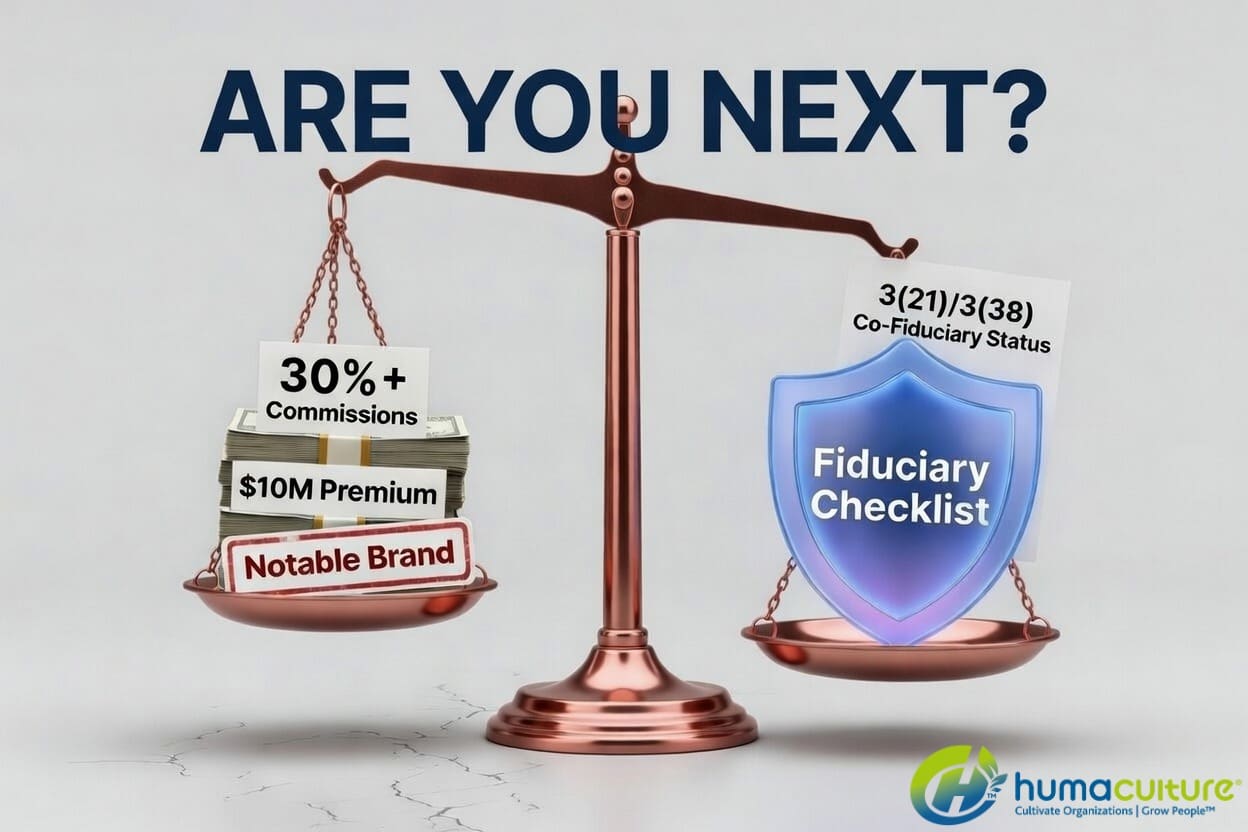
Are You Next in Line for a Fiduciary Lawsuit Over Your Supplemental Health Plans?
A Humaculture® Perspective on Prudent Governance and Created Value
Date: March 10, 2026
Prepared by Humaculture, Inc.
Introduction
Recent ERISA litigation has brought new attention to ERISA fiduciary risks for plan sponsors who manage supplemental health plans. These voluntary benefits include critical illness, accident, and hospital indemnity coverage. In December 2025, class action lawsuits filed by Schlichter Bogard & Denton named both employers and their benefits consultants as defendants. The complaints alleged fiduciary breaches tied to plan oversight, fee reasonableness, and potential conflicts of interest. Cases targeted organizations such as United Airlines, CommonSpirit Health, Allied Universal, and LabCorp. These actions mark an expansion of ERISA scrutiny into health and welfare benefits.
Humaculture, Inc. approaches these challenges with the Humaculture® Topological Model. This framework rests on the maxim “feed the soil, not the plant.” Leaders cultivate the Organization Domain through Processes and Structures as enabling “soil.” This approach empowers People, like “plants,” to thrive within the broader Environment, including Rules (e.g., laws and regulations), and produce sustainable Created Value.
Strong fiduciary governance in benefits programs supports the delivery of the Three Promises as outcomes of the Humaculture® Topological Model: Effectual (tangible risk reduction and compliance), Emotional (trust and fairness), and Economic (cost efficiency and resource optimization).
High-Risk Profile for Supplemental Health Plan Litigation
Industry analysis and patterns from recent cases, including insights referenced in the “Blindsided” paper from Employees First, suggest organizations with the following characteristics face particularly elevated risk:
- Broker compensation equals or exceeds 30% of premium
- Total annual premium volume equals or exceeds $10 million
- High-visibility, nationally recognized brand
If your organization matches this profile, proactive review of fiduciary processes is especially urgent.
Parallel Developments with Retirement Plans
The current wave of supplemental health plan litigation follows the same path that transformed retirement plans over the last two decades. ERISA established the fiduciary framework in 1974. The Pension Protection Act of 2006 and the Tussey v. ABB case in 2012 exposed breaches in recordkeeping and revenue sharing. A wave of excessive fee lawsuits followed, making competitive RFPs, benchmarking, full fee disclosure, and co-fiduciary advisors the new standard. The same combination of legislation plus litigation is now driving a similar paradigm shift in health and welfare benefits. The message is clear: what happened in retirement plans is now happening in supplemental health plans.
ERISA Fiduciary Risks: Actionable Checklist for Plan Sponsors
The checklist below helps Plan Sponsors strengthen their practices to fulfill their fiduciary responsibility for supplemental health plans. Proactive steps reduce litigation exposure. The proactive steps also enhance Well-being as a contributor to productivity, support Merit-Based Talent Cultivation, and build organizational resilience.
The “Blindsided” paper from Employees First (June 2025) was referenced in each of these lawsuits, both in the narrative and footnotes, as supporting context for longstanding concerns about these issues. The paper focuses primarily on employers as plan sponsors because the document is geared toward them as the ultimate fiduciaries under ERISA. While the lawsuits name four consultants/brokers (Mercer, Gallagher, Lockton, and WTW) as co-defendants, the paper emphasizes employers’ responsibility to oversee and select advisors prudently. It argues that plan sponsors bear the primary duty to act in participants’ best interests, even if consultants contribute to issues like excessive fees or conflicts. The root cause is often portrayed as a systemic failure in fiduciary processes, but the paper prioritizes actionable steps for employers rather than assigning blame to brokers, to empower sponsors to mitigate risks independently.
Fiduciary Risk Mitigation Checklist for Supplemental Health Plans
Apply this checklist during annual reviews, vendor evaluations, or plan design updates. Document decisions thoroughly to create a prudent process trail.
- Strengthen Governance Through Dedicated Structures
- Form or reinforce a benefits committee with a clear charter. The charter must emphasize ERISA duties of prudence, loyalty, and exclusive participant benefit.
- Include independent expertise and establish Processes for regular training.
- Action Item: Schedule annual fiduciary education and review committee composition within 60 days.
- Formalize Vendor and Consultant Selection Processes
- Conduct competitive requests for proposals with full compensation disclosure, including all overrides, production credits, and revenue-sharing arrangements.
- Prioritize fee-only advisors willing to accept co-fiduciary status under ERISA sections 3(21) or 3(38) to minimize conflicts.
- Action Item: Initiate an RFP cycle if current arrangements exceed three years.
- Ensure Fee Reasonableness and Transparency
- Identify, itemize, and benchmark all fees, services, overrides, production credits, and potential outcomes against industry standards to maximize participant Created Value. Ensure supplemental health plans are not paying a disproportionate share of administrative services.
- Evaluate claims payout ratios and overall participant value.
- Action Item: Engage independent benchmarking and negotiate adjustments where costs appear excessive.
- Align Plan Design with Participant Needs and Created Value
- Confirm offerings provide meaningful, non-duplicative coverage.
- Deliver clear, annual disclosures on costs, benefits, and oversight.
- Action Item: Update Summary Plan Descriptions and gather participant feedback via surveys.
- Embed Ongoing Monitoring via Enabling Processes
- Establish quarterly performance metrics for enrollment, claims efficiency, and satisfaction.
- Use information gathered from Performance Nurturing process to adapt offerings dynamically.
- Action Item: Implement monitoring dashboards and schedule regular committee discussions.
- Secure Protections and Continuous Adaptation
- Maintain robust fiduciary liability coverage that includes health plans.
- Develop response protocols for regulatory inquiries.
- Action Item: Conduct an annual insurance review and consider a simulated fiduciary audit.
How Humaculture® Can Support Your Organization
Humaculture, Inc. helps leaders cultivate resilient organizations with the Humaculture® Topological Model and tools such as the HARS™ (Health, Absence, Resilience Support) framework. We offer independent assessments of total rewards programs, including supplemental health plan governance, without the product sales conflicts of many brokers and consultants. Explore our full range of services and support options.
Independent Consultant vs. Traditional Broker
The choice of advisor is one of the most important Processes in the Organization Domain. Choosing an independent consultant instead of a traditional broker is a direct way to “feed the soil” of strong fiduciary governance. Here is how the two approaches compare:
Note: Many large firms that market themselves as “consultants” continue to earn the majority of revenue from carrier commissions, overrides, and production-based fees — operating with the same conflicts as traditional brokers. True independence requires client-paid fees only and acceptance of co-fiduciary responsibility.
| Aspect | Independent Consultant | Traditional Broker |
|---|---|---|
| Type of Firm | Professional advisory firm licensed to advise on insurance | Insurance agency or brokerage |
| Primary Revenue Source | Client-paid fees | Carrier-paid commissions |
| Pricing Model | Fixed or project-based fees | Percentage of premium (typically 25–40%) |
| Revenue Sharing / Overrides | None | Common (overrides, sales quotas, production bonuses) |
| Represents | The plan sponsor / client | The insurance carriers |
| Primary Focus | Strategic design, participant outcomes, Created Value | Product placement and premium volume |
| Service Style | Comprehensive RFP, actuarial analysis, ongoing monitoring | Transactional renewals and carrier-driven |
| Summary | Unbiased strategic guidance serving only client interests | Services designed to support product sales and servicing |
ERISA Fiduciary Risks Alignment with the Humaculture® Topological Model
The table below shows how an independent consultant strengthens the Organization Domain in the Humaculture® Topological Model by feeding the soil of clean Processes. In short, the broker model fails to recognize how Processes enable healthy Connections between the Organization Domain and People, creating unintended consequences.
| Aspect | Humaculture® Alignment | Practical Outcome in the Model |
|---|---|---|
| Primary Revenue Source & Pricing Model | Client-paid fees vs. carrier commissions | Clean “soil” (no hidden conflicts) vs. contaminated “soil” |
| Revenue Sharing / Overrides | None vs. common overrides | Protects integrity of the fiduciary Processes vs. self-dealing |
| Represents | Plan sponsor vs. insurance carriers | Feeds loyalty and prudence vs. violates exclusive-benefit rule |
| Primary Focus & Service Style | Strategic design and Created Value vs. product placement | Nurtures Created Value vs. treats People as sales opportunity |
| Summary | Unbiased guidance vs. product sales support | Cultivates resilient Organization Domain vs. creates unintended consequences |
Our services cover fiduciary process audits aligned with the Dynamic Matrix, evidence-based plan design recommendations, actuarial-supported ROI modeling for benefits investments, and Cultural Nurturing strategies to enhance engagement and Well-being.
We focus on Merit-Based Talent Cultivation and Equality of Opportunity to deliver balanced outcomes in each of the Three Promises.
ERISA Fiduciary Risks Summary
The evolving ERISA landscape calls for robust, documented fiduciary Processes in supplemental health plans. Leaders who proactively feed the soil through strong governance reduce legal risks and unlock greater Created Value. This includes lower costs, higher resilience, and sustained productivity. Read more of our insights on organizational resilience.
Humaculture, Inc. stands ready to partner with you on this cultivation journey. Contact us to discuss a customized assessment or explore how the Humaculture® Topological Model can optimize your total rewards strategy.
Contact: Steve Cyboran at Steve.Cyboran@Humaculture.com, Wes Rogers at Wes.Rogers@Humaculture.com, or Caroline Cyboran at caroline.cyboran@humaculture.com
Website: humaculture.com
LinkedIn: humaculture-inc
Beyond Pharmacology Alone: Integrative Soil Cultivation for Workforce Resilience
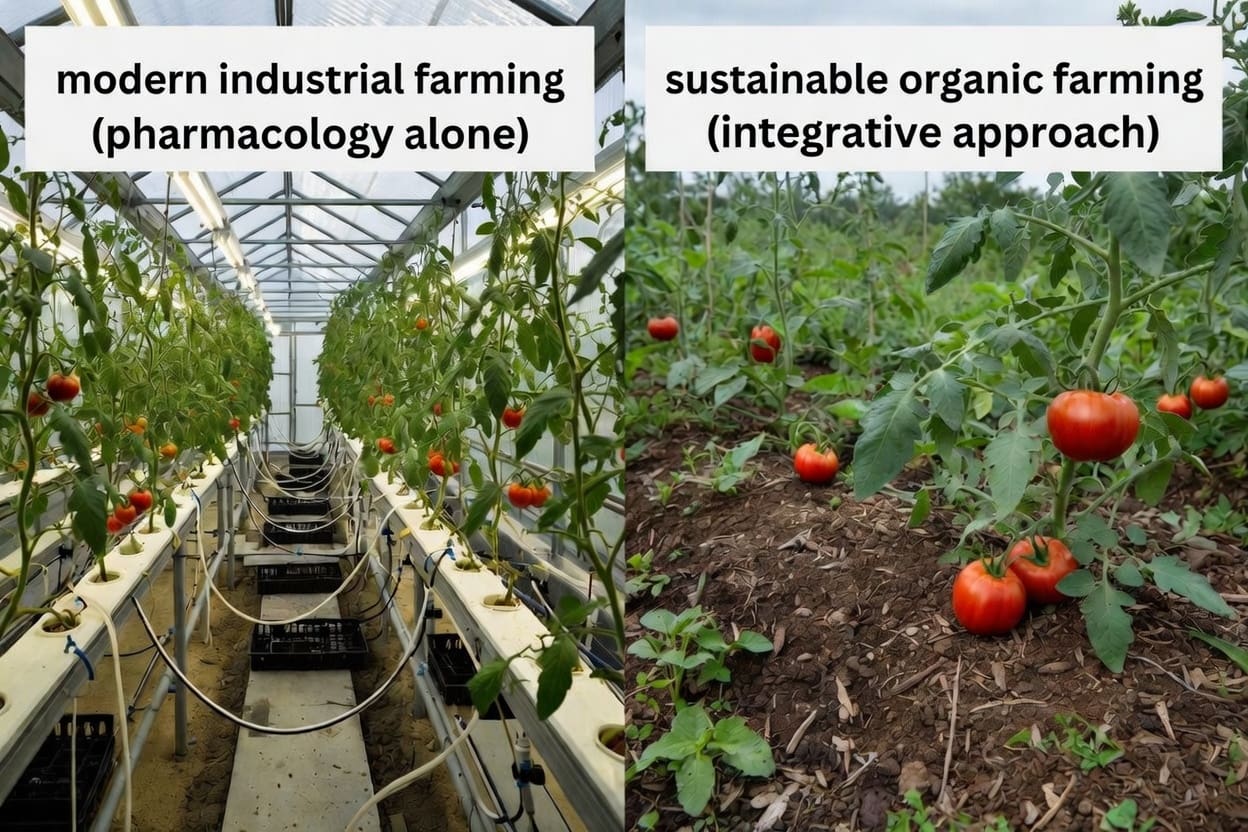
Above image: Modern industrial farming (pharmacology alone) can produce short-term results, but only as long as the constant chemical inputs continue. Stop the inputs and the plants quickly decline, because the underlying soil health was never built. Sustainable organic farming (integrative approach) cultivates rich, living soil that sustains healthy, nutrient-dense fruit even without constant intervention.
Part 4: Beyond Pharmacology Alone. Integrative Soil Cultivation for Lasting Chronic Condition Mitigation
February 20, 2026
By Humaculture, Inc.
This is the fourth in a 5-part companion series to ICSL’s analysis of post-COVID health trends and morbidity pressures.
- In Part 1, we examined the broad crisis of rising chronic conditions driving costs.
- In Part 2, we applied the Topological Model to variable-demand operations like trucking.
- In Part 3, we explored chronic surges across large workforces using actual employer data.
- Here, we build on these insights to examine why pharmacology alone falls short, and how an integrative Humaculture® Topological approach (“soil cultivation”) offers a sustainable, organic path forward.
While ICSL’s companion article, “Why GLP-1 Drugs Alone Aren’t Enough – The Case for Integrative Solutions,” highlights the limitations of a pharmacology-first mindset, Humaculture® focuses on the Organizational solution. We refine “soil” (Structure, Assets, Processes—the Organization Domain) to enable natural, lasting resilience and Created Value.
As a leader in health benefits, risk management, or workforce wellness, you’ve seen the promise of GLP-1 drugs. Impressive short-term weight loss. Better blood sugar control. Reduced cardiometabolic risks. Many hoped these medications would finally bend the curve on chronic disease burdens that drive medical claims, disability costs, and absence.
Yet the limitations have become clear: high dropout rates, substantial weight regain upon discontinuation, muscle loss, side effects, and access barriers. These issues persist because pharmacology-first approaches treat symptoms without addressing the root causes. The underlying causes (poor nutrition, sedentary lifestyle, and behavioral patterns), remain unaddressed.
The Limitation of Forcing the “Plant” with Pharmacology Alone
Many people instinctively reach for the newest pharmaceutical tool. They force the “plant” (People) toward outcomes despite depleted conditions. A pharmacology-first mindset is like painting over a mildewed wall. The problem is hidden in the short-term, but reappears quickly because the root cause was only masked. Unintended consequences emerge and natural defenses weaken over time.
GLP-1 drugs deliver impressive short-term results (Diabetes, Obesity and Metabolism 2022), but studies show discontinuation leads to rapid regain, often 50 to 100 percent of lost weight within 12 months (Rubino, JAMA 2022). Dropout rates run high, driven by side effects, cost, and access barriers (Rodriguez, JAMA 2022). Even sustained use carries risks like muscle loss (15 to 40 percent – ScienceInsights, 2025)and long-term risks (Healthhoper 2026).
Weight is just one piece of the puzzle. Elevated weight increases risk for cardiac and circulatory disease, neurological impairment, metabolic and digestive disorders, and many cancers. Yet pharmacology-first thinking treats symptoms rather than first supporting the body’s natural ability to restore health through nutrition, fitness, behavior, and prevention.
Temporary gains fade when the underlying “soil” remains poor. Short-term productivity comes at the price of sustained resilience. This mirrors trends where chronic conditions drive recurring claims, lengthened disability durations, and escalating costs.
Frustration grows as costs climb and workforce health continues to strain the business. You recognize that there must be a better way to manage our health costs. What if a more integrative approach could finally unlock the lasting resilience you’ve been seeking?
The Humaculture® Topological Model: A Practical Guide for Integrative “Cultivation”
The Humaculture® Topological Model gives leaders a clear, practical framework for this shift. It shows exactly where to refine the Organizational “soil” so People can thrive naturally and produce lasting Created Value. Three Domains interact without hierarchy:
| Domain | Challenges (Current State) | Success (Integrative Outcome) |
| Environment Domain | Rigid regulations, high drug costs, limited access to preventive care | Strong partnerships with vendors that prioritize integrative protocols and flexible plan designs |
| Organization Domain | Fragmented benefits programs, misaligned vendors, pharmacology-first defaults | Clear standards across all health, wellness, leave, disability, and workers’ compensation programs; every partner adopts integrative-first protocols (Food as Medicine, Exercise as Medicine); misaligned vendors are replaced |
| People Domain | Unaddressed personal distractions and low intrinsic motivation | Empowered, accountable Talent inclined toward health, with the tools and autonomy to perform at their best |
When leaders intentionally orchestrate these Domains through the Dynamic Matrix, the entire system becomes self-reinforcing. Resilient People produce sustainable Created Value cycle after cycle.
The Decisive Choice: Refine the “Soil” for Integrative Cultivation
Effective workplaces lay the foundation for lasting health and resilience in organizations facing chronic condition pressures. Families and Work Institute defines an effective workplace, and their research demonstrates that an effective workplace yields roughly twice-better health outcomes relative to low-effective workplaces, reducing chronic stress, fatigue-related risks, and claims severity while strengthening retention and engagement.
The turning point comes when the leader chooses intentional, integrative “cultivation” over pharmacology-first fixes. Instead of another drug-centric incentive or coverage expansion, they reallocate Assets toward merit-based Processes designed to attract and retain empowered Talent already inclined toward health. They establish clear standards and expectations across all health, wellness, leave, disability, and workers’ compensation programs and require every solution provider partner to adopt integrative-first protocols (Food as Medicine, Exercise as Medicine), ensuring full alignment and replacing any misaligned vendors that prioritize pharmacology-only approaches. Any vendor whose primary goal is adherence to prescription drug protocols is a clear red flag that they are not focused on improved health and should be replaced to ensure full alignment.
Resolution: Measurable Victory and Renewed Operations
Organizations that consistently feed the Organizational “soil” achieve balanced, lasting success. The resolution is measurable victory: higher People Health Quotient (PHQ) and Organization Healthful Quotient (OHQ), meaningful reductions in disability costs and absenteeism, stronger retention and engagement, substantially multiplied Created Value, and a renewed operation ready for the next cycle. Just as organic gardening produces fruit with significantly higher nutrient density, integrative health solutions is like “soil” cultivation (Organization Domain refinement) that yields resilient People who deliver superior, sustainable outcomes.
For leaders facing chronic condition pressures, the results include:
- Economic. Strong multi-dollar returns on investment. Meaningful reductions in medical and prescription drug spending, disability costs, and indirect disruptions. Easier recruiting of ideal Talent. Reduced turnover. Fewer recurring claims. Recovered productivity that directly protects financial stability.
- Effectual. Tangible risk reduction. Lower chronic disease progression. Decreased utilization severity. Faster recovery from health events. Measurable declines in the key post-COVID morbidity drivers.
- Emotional. Authentic resonance through merit-based recognition, constructive challenge, and mission alignment. This builds voluntary engagement and retention rather than dependency or resentment.
The outcome is multiplied Created Value. Higher retention. More productive teams. More stable operations. Reduced absenteeism and disruptions. The organization becomes self-reinforcing. Resilient People produce sustainable Created Value (“fruit”) cycle after cycle.
Next up, in Part 5, we’ll examine partnering to address chronic risk at scale. Companion to ICSL’s focused analysis.
Take the First Step
As a starting point, contact Humaculture® for a review of your medical, disability, workers’ compensation, and absenteeism data, mapped to the Dynamic Matrix. We’ll identify leverage points to cultivate resilience and Created Value in your unique terrain.
Read the companion ICSL article for the full view of why pharmacology alone isn’t enough. Join us in building organizations where People don’t just manage chronic risk. They flourish despite it.
Contact: Steve Cyboran at Steve.Cyboran@Humaculture.com, Wes Rogers at Wes.Rogers@Humaculture.com, or Caroline Cyboran at caroline.cyboran@humaculture.com
Website: humaculture.com
LinkedIn: humaculture-inc
Humaculture® — Cultivate Organizations, Grow People.
Chronic Condition Surges in the Workforce: Refining “Soil” Resilience

Part 3: Chronic Condition Surges and Workforce Impacts. Refining Organizational “Soil” for Population Resilience
February 5, 2026
By Humaculture, Inc.
This is the third in a 5-part companion series to ICSL’s analysis of post-COVID health trends and morbidity pressures. In Part 1, we examined the broad crisis of rising chronic conditions driving costs across insurance and benefits programs. In Part 2, we applied the Topological Model to variable-demand operations like trucking, where isolation, sedentary work, and limited nutrition access make health risks hit harder. Here, we focus on real employer impacts—drawing from anonymized client data and industry trends to show chronic condition surges in the workforce—and how the Dynamic Matrix helps you diagnose your unique terrain and refine your “soil” for lasting results.
While ICSL’s article, “Real Employer Impacts – Post-COVID Disability and Cost Surges,” illuminates the clinical and industry realities deepening in 2025, Humaculture® offers the organizational framework for sustainable solutions. We refine Organizational “soil” (Structure, Assets, Processes) so People naturally thrive and produce Created Value.
You’ve worked hard to build a strong team, developing competitive benefits, wellness incentives, and support programs. You’ve done the things leaders do to keep people healthy and productive. But lately, something’s different. Chronic condition surges in the workforce are shifting the landscape. Disability claims are up sharply. Medical costs are climbing. Absence is dragging on performance. The pressure is real, and it’s hitting the workforce you’ve helped develop.
When Traditional Approaches Could Only Slow the Surge
You’ve tried the usual tools, such as expanded EAPs, provided more generous return-to-work programs, broader coverage, bigger incentives. They helped: some claims slowed, some people returned faster, but the surge kept going. Recurring issues lengthened overall durations. Underlying health problems didn’t go away. Frustration set in as the team you’ve built started to feel the strain.
A Diagnostic Path Emerges
That’s when curiosity turned toward a different approach. ICSL showed a better way: early identification, nutrition and fitness focus, behavioral support, integrative strategies. By diagnosing the root drivers behind disability and cost surges, ICSL acts like a “soil” test for your garden. It reveals what’s really wrong so you can fix it right.
Industry-wide data confirms the scale. The number of people with disabilities in the U.S. labor force (in thousands) rose sharply after 2020 and has continues to rise (FRED data). This isn’t an isolated problem. It’s widespread and persistent, touching organizations everywhere.
The Humaculture® Topological Model: A Mentor for Diagnosing and Refining Large Workforces
The Humaculture® Topological Model provides a proven framework. Three Domains interact fluidly without hierarchy to foster purposeful Value Creation. The Dynamic Matrix provides profound insights into the connections (topology) between them. It lets you see leverage points and unintended consequences before problems escalate.
The cultivated “soil” is the Organization Domain (Structure, Assets, and Processes) that enables the “plants” (People) to thrive within the broader terrain (Environment).
- Environment Domain. The broader terrain. Rules (benefits regulations, labor laws), Natural Resources (health plan budgets, vendor networks), Community (employees, unions, regulators, potential employees).
- Challenges: Post-COVID morbidity surge, rising claims across large populations, regulatory constraints on incentives.
- Opportunities: Align external conditions with internal resilience through data-driven plan design and vendor partnerships for preventive support.
- Organization Domain. The cultivated “soil”. Structure (flat governance, administrative hierarchies), Assets (financial reserves, technology platforms), Processes (Leadership and Operational).
- Challenges: Recurring claims lengthening durations, administrative delays, inconsistent support for chronic conditions.
- Opportunities: Reliable execution of these Processes creates a well-functioning operation where people rely on consistent support, fair accommodations, and financial stability.
- People Domain. The “plants”. Personal Characteristics (age, gender, height, weight, behavioral heuristics such as empowerment vs. entitlement focus), Skills/Training/Education/Experiences (health literacy, chronic condition self-management), Created Value (productivity, engagement, service delivery).
- Challenges: Sustained chronic utilization, recurring disability, absenteeism from unmanaged conditions.
- Opportunities: Refined “soil” enables people to manage chronic risks without overload, producing resilient, healthy, productive Talent.
The Decisive Choice: Refine the “Soil”
Think of your workforce like a garden of tomatoes. Some “plants” are struggling: wilted leaves, poor yield. Is it missing nutrients? Too much water? Bad drainage? Variable weather? ICSL screenings are the “soil” test, showing exactly what’s off. The Humaculture® Topological Model helps you refine the “soil” based on that diagnosis to attract and retain the right “plants” that will thrive in the improved conditions.
In large workforces facing chronic condition surges, effective workplaces don’t just happen. They require intentional orchestration of the Dynamic Matrix with meaningful challenge through purposeful work, responsive supervisor support, autonomy over aspects of the job, co-worker backing through peer networks, respect for contributions, work-life fit with predictable recovery time, adequate pay, and opportunity for advancement. Research from the Families and Work Institute shows such workplaces yield roughly twice-better health outcomes relative to low-effective workplaces, reducing chronic stress, fatigue-related risks, and claims severity while strengthening retention and engagement.
The turning point is when you decide to refine the “soil” intentionally. Instead of another generic program or incentive tweak, reallocate Assets toward merit-based Processes, embed practical biometric feedback in Performance Nurturing, adjust benefits administration through Resource Allocation, align Cultural Nurturing with mission and independence, and build peer networks and mentorship to foster belonging and support.
Client data shows this works. Integrative health support improved biometric measures and reduced claims and employee costs year-over-year. In another organization, refined Processes reduced unscheduled absence by 60%. These structures activate within Cultural Nurturing and Community Engagement, helping People connect and become resilient despite ongoing pressures.
Brief daily routines with high adherence have been shown to substantially reduce pain levels and support sustained focus and productivity. Deeply integrated workplace resilience programs focused on empowerment, including coaching for lifestyle, fitness, nutrition, and gut/digestive health, deliver strong returns on investment when designed within a broader initiative. A shift in focus toward merit, health, and empowerment can also attract and retain Talent already inclined toward health and productivity. These yield meaningful improvements in chronic disease risk factors, reductions in symptom burden, and corresponding lower medical spending and claims severity, addressing widespread post-COVID morbidity. Embedded support for health-related absences, when part of broader resilience Processes, significantly shortens disability durations tied to chronic conditions, producing high ROI.
HARS™ (Health, Absence, Resilience Support) is a sub-knowledge set within the Topological Model. It specifically addresses, analyzes, and predicts Process improvements to achieve the Three Promises in health, absence, and resilience areas.
Resolution: Measurable Victory and Renewed Operations
Organizations that consistently feed the Organizational “soil” achieve balanced, lasting success. The resolution is measurable victory: higher People Health Quotient (PHQ) and Organization Healthful Quotient (OHQ), meaningful reductions in disability costs and absence, stronger retention and engagement, substantially multiplied Created Value, and a renewed operation ready for the next cycle.
For leaders managing large workforces facing chronic condition surges, the results include:
- Economic. Strong multi-dollar returns on investment. Meaningful reductions in medical spending, disability costs, and indirect disruptions. Easier recruiting of ideal Talent, reduced turnover, fewer recurring claims, and recovered productivity that directly protects financial stability.
- Effectual. Tangible risk reduction, lower chronic disease progression, decreased utilization severity, faster recovery from health events, and measurable declines in the key post-COVID morbidity drivers.
- Emotional. Authentic resonance through merit-based recognition, constructive challenge, and mission alignment. This builds voluntary engagement and retention rather than dependency or resentment.
The outcome is multiplied Created Value, with Higher retention, more productive teams, more stable operations, reduced absenteeism and disruptions. The organization becomes self-reinforcing. Resilient People produce sustainable fruit cycle after cycle.
Next week, in Part 4, we’ll examine why pharmacology alone isn’t enough. Companion to ICSL’s focused analysis.
Take the First Step
As a starting point, contact Humaculture® for a review of your medical, disability, workers’ compensation, and absenteeism data. We’ll identify leverage points to cultivate resilience and Created Value in your unique terrain.
Read the companion ICSL article for the full view of employer impacts: https://www.linkedin.com/pulse/real-employer-impacts-post-covid-disability-9ndme. Join us in building organizations where People don’t just manage chronic risk. They flourish despite it.
Contact: Steve Cyboran at Steve.Cyboran@Humaculture.com, Wes Rogers at Wes.Rogers@Humaculture.com, or Caroline Cyboran at caroline.cyboran@humaculture.com
LinkedIn: humaculture-inc
Humaculture® — Cultivate Organizations, Grow People.
Chronic Health Risks in Trucking: Cultivating Soil Resilience in Variable-Demand Operations
Part 2: Chronic Health Risks in Variable-Demand Operations. Cultivating Soil Resilience in Trucking and Beyond
January 29, 2026
By Humaculture, Inc.
This is the second in a 5-part companion series to ICSL’s analysis of post-COVID health trends and morbidity pressures. In Part 1, we explored how cultivating Organizational “soil” addresses rising chronic conditions across insurance and benefits programs. Here, we apply that framework to variable-demand operations—trucking, bus driving, construction equipment, forklifts, warehouse management, order picking, and similar roles—where the challenge of chronic health risks has been exacerbated.
While ICSL’s companion article, “Trucking Industry Health Crisis – Driver Deaths, Shortages, and Safety Risks,” diagnoses the clinical realities in trucking, Humaculture® focuses on the Organizational solution. We enrich “soil” (Structure, Assets, Processes—the Organization Domain) to build resilient People who thrive and produce Created Value.
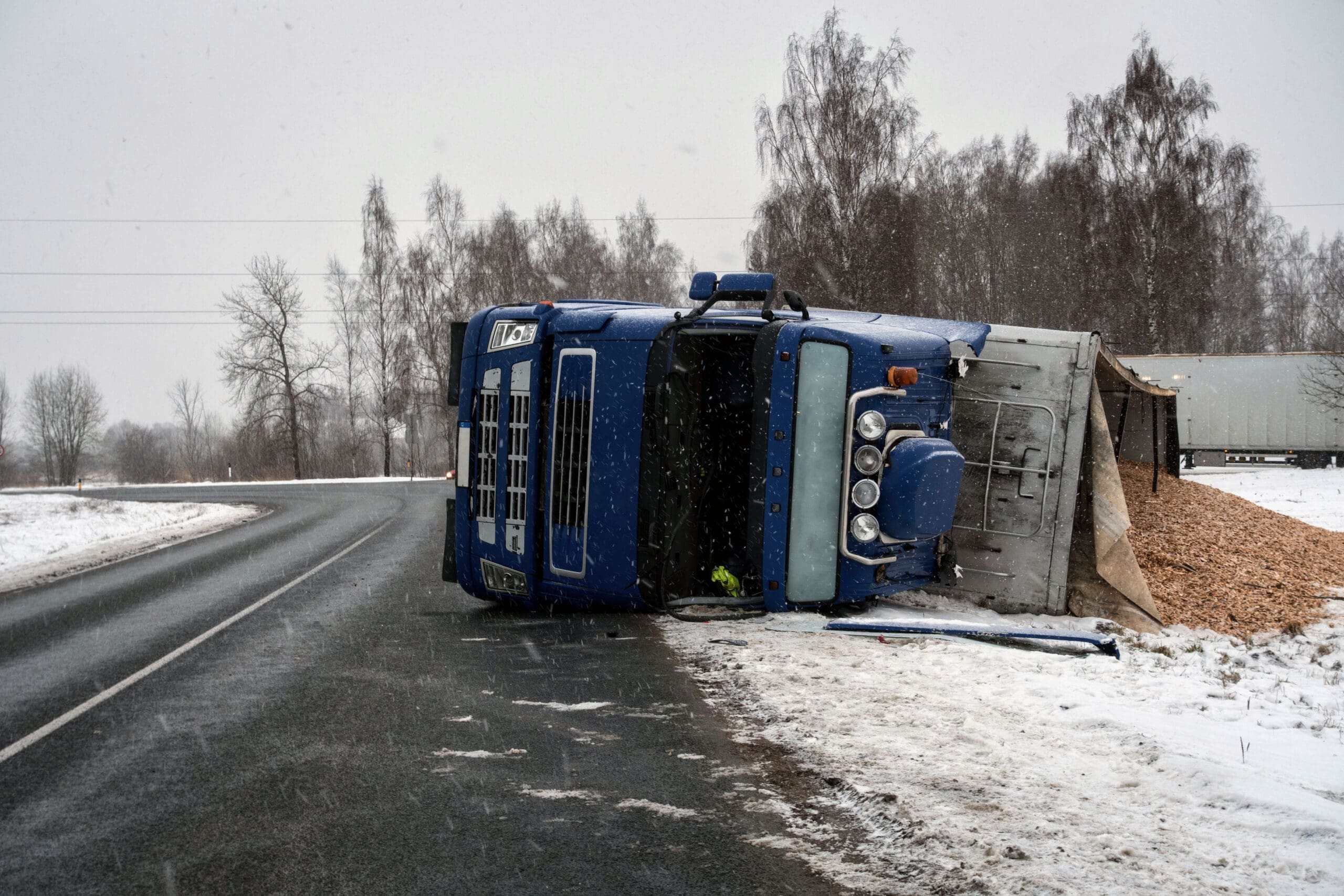
As a leader in transportation and logistics, you know the operation runs on reliable People. Drivers who deliver. Warehouse managers who coordinate. Forklift operators who load. Order pickers who fulfill. Yet chronic health risks in trucking and variable-demand roles have exacerbated a manageable challenge into a critical bottleneck. Driver deaths. Persistent shortages. Rising accident severity. Workforce disruptions that ripple through service, safety, and costs.
Traditional responses proved insufficient. Higher pay. Recruiting bonuses. Stricter safety protocols. They slowed the decline but could not stop it. Retention stayed difficult. Accidents persisted. Frustration grew as the operation you built began to strain under health-related exits and disruptions.
But what if the most powerful leverage point lies in the Organizational “soil” that shapes resilience in variable-demand conditions?
The Limitation of Forcing the “Plant” Amid Chronic Health Risks in Trucking
Many operations instinctively reach for direct incentives or stricter rules. They force the “plant” (People) to perform despite irregular schedules, long hours alone, limited healthy food options, and sedentary demands. Generic wellness programs, often delivered through yet another standalone app that adds to fatigue, yield modest results at best. Research shows that less-integrated initiatives quickly lose adherence when they conflict with real-world demands. Brief, embedded routines, by contrast, maintain strong participation and deliver meaningful outcomes.
Temporary periods of constructive challenge can build deeper resilience. Think of focused intensity during peak seasons. Much like a seasonal drought prompts roots to grow stronger and access deeper nutrients. When balanced with adequate recovery, these challenges foster long-term adaptability and strength.
Chronic overload tells a different story. Unrelenting irregular hours without sufficient recovery turn constructive stress into toxic overload. The cost is clear. Elevated burnout. Health deterioration. Depleted long-term resilience. Short-term miles come at the price of sustained safety and retention. This mirrors the trends where chronic conditions drive higher disability, deaths, and crash severity.
The difference lies in consistently feeding the “soil”. We refine Processes to enable natural, sustainable growth.
The Humaculture® Topological Model: A Mentor for Sustainable Cultivation in Variable-Demand Operations
The Humaculture® Topological Model provides leaders with a proven framework. Three Domains interact fluidly without hierarchy to foster purposeful Value Creation. The Dynamic Matrix provides profound insights into the connections (topology) between them.
The cultivated “soil” is the Organization Domain—Structure, Assets, and Processes—that enables the “plants” (People) to thrive within the broader terrain (Environment).
Environment Domain
The broader terrain. Rules (hours-of-service regulations, safety standards), Natural Resources (fuel, equipment, rest facilities, capital for investment), Community (customers, regulators, potential employees).
- Challenges: Constant regulatory adaptation, variable fuel costs, customer pressure for speed, limited healthy food options at rest stops.
- Opportunities: Align external conditions with internal resilience through better rest planning, safety compliance, and partnerships among peer Organizations and vendors to improve access to nutritious food options.
Organization Domain
The cultivated “soil”. Structure (flat governance, route planning hierarchies), Assets (trucks, technology, financial reserves), Processes (Leadership and Operational). Leadership Processes set direction and norms: Strategic Planning aligns long-term routes with health needs; Resource Allocation funds reliable scheduling, equipment, and family-supportive benefits; Skill Development builds advanced safety and fatigue-management capabilities; Community Engagement incorporates customer feedback for realistic timelines; Cultural Nurturing fosters respect and mission resonance; Performance Nurturing provides feedback on routes and well-being. Operational Processes execute day-to-day reliability: predictable dispatching, payroll accuracy, maintenance schedules, compliance workflows, and administrative support for leave or family needs.
- Challenges: Irregular hours, equipment downtime, administrative delays, sedentary lifestyle demands.
- Opportunities: Reliable execution of these Processes creates a well-functioning operation where People rely on consistent management support, fair schedules, and financial stability.
People Domain
The “plants”. Personal Characteristics (age, gender, height, weight, behavioral heuristic), Skills/Training/Education/Experiences (CDL certification, HAZMAT training, Supply Chain Warehousing Certificate), Created Value (safe deliveries, on-time performance, customer satisfaction).
- Challenges: Isolation, sedentary lifestyle, poor nutrition access.
- Opportunities: Refined “soil” enables People to manage variability without chronic overload, producing resilient, healthy, productive Talent.
In variable-demand operations like trucking, effective workplaces do not emerge by accident. They require intentional orchestration of the Dynamic Matrix—meaningful challenge through purposeful work, responsive supervisor support, autonomy over aspects of tasks, co-worker backing through peer networks, respect for contributions, work-life fit with predictable recovery time, fair pay and advancement paths. Research from the Families and Work Institute shows such workplaces yield roughly twice-better health outcomes relative to low-effective workplaces, reducing chronic stress, fatigue-related risks, and claims severity while strengthening retention and safety.
The Decisive Choice: Refine the “Soil”
The turning point comes when the leader chooses intentional cultivation over leaving the Dynamic Matrix uncoordinated. Instead of another bonus program or compliance rule, they reallocate Assets toward merit-based Processes. They embed practical biometric feedback in Performance Nurturing. Adjust scheduling safeguards through Resource Allocation. Align Cultural Nurturing with mission and independence. Foster peer networks and mentorship to build belonging and support.
Published examples show this works. J.B. Hunt fosters belonging through driver appreciation events. Swift Transportation Mentor Program has experienced drivers mentor new ones on real-world skills, safety, and adaptation – focusing on performance improvement and retention through direct peer guidance. PAM Transport Driver Mentor Program allows mentors to earn extra pay while guiding new drivers on routes, safety, and lifestyle management – delivering practical, incentive-driven peer support for job success and resilience. Averitt Express provides paid training with personal driver trainers (experienced peers) for onboarding and skill development, supporting reliability and peer learning. Schneider’s Driver Ambassadors, selected for excellence, advocate improvements to the driver experience. Opportunities remain to develop virtual networks and revive depot meetups, creating informal communities that combat isolation and provide practical co-worker support for job success. These structures activate within Cultural Nurturing and Community Engagement, helping People feel connected despite the road.
Brief daily routines with high adherence have been shown to substantially reduce pain levels and support sustained focus—countering sedentary demands. Deeply integrated workplace resilience programs, including preventive coaching for lifestyle, nutrition, and gut/digestive health, deliver strong multi-dollar returns on investment when designed to attract and retain Talent already inclined toward health. These yield meaningful improvements in chronic disease risk factors, reductions in symptom burden, and corresponding lower medical spending and claims severity—addressing limited healthy food options on the road. Embedded support for health-related absences, when part of broader resilience Processes, significantly shortens disability durations tied to chronic conditions, producing high ROI.
HARS™ (Health, Absence, Resilience Support) is a sub-knowledge set within the Topological Model. It specifically addresses, analyzes, and predicts Process improvements to achieve the Three Promises in health, absence, and resilience areas.
Resolution: Measurable Victory and Renewed Operations
Organizations that consistently feed the Organizational “soil” achieve balanced, lasting success. The resolution is measurable victory: higher People Health Quotient (PHQ) and Organization Health Quotient (OHQ), meaningful reductions in disability costs and absenteeism, stronger retention and engagement, substantially multiplied Created Value, and a renewed operation ready for the next cycle.
For leaders in transportation and logistics facing chronic health risks in trucking, the results include:
- Economic. Strong multi-dollar returns on investment. Meaningful reductions in medical spending, disability costs, insurance premiums, and indirect disruptions. Easier recruiting of ideal drivers. Reduced turnover. More drivers passing DOT health examinations. Fewer safety incidents. This results in recovered productivity that directly protects operational stability.
- Effectual. Tangible risk reduction. Lower chronic disease progression. Decreased accident severity. Faster recovery from health events. This supports measurable declines in the key post-COVID morbidity drivers.
- Emotional. Authentic resonance through merit-based recognition, constructive challenge, and mission alignment. This builds voluntary engagement and retention rather than dependency or resentment.
The outcome is multiplied Created Value. Higher retention. Safer miles. More stable operations. Reduced shortages and disruptions. The operation becomes self-reinforcing. Resilient People produce sustainable fruit cycle after cycle.
Next week, in Part 3, we’ll examine chronic condition surges and broader workforce impacts. Companion to ICSL’s focused analysis.
Take the First Step
As a starting point, contact Humaculture® for a review of your medical, disability, workers’ compensation, and absenteeism data, mapped to the Dynamic Matrix. We’ll identify leverage points to cultivate resilience and Created Value in your unique terrain.
Read the companion ICSL article for the full view of trucking challenges. Join us in building operations where People don’t just endure variability. They flourish within it.
Contact us if you would like to learn more or have your data analyzed.
LinkedIn: humaculture-inc
Humaculture® — Cultivate Organizations, Grow People.
Cultivating Resilience: Organizational “Soil” Health in an Era of Chronic Risk

Above Image: Bent by winds, unbroken by storms. Holistically addressing chronic health condition costs.
Part 1: Rising Chronic Health Conditions Costs – Feeding Organizational “Soil” to Build Sustainable Resilience
January 22, 2026
By Steve Cyboran, Humaculture, Inc.
This is the first in a 5-part companion series to ICSL’s analysis of post-pandemic mortality and morbidity trends driving chronic health conditions costs. While ICSL illuminates the clinical and industry pressures deepening in 2025, Humaculture® offers the organizational framework for sustainable solutions—cultivating resilient “soil” (Structure, Assets, Processes) so People naturally thrive and produce Created Value.
As a leader of an insurance organization or an employer-sponsored benefits program, you are navigating an era where chronic health risks have moved from background concern to the primary driver of escalating costs. Throughout 2025, the burdens of chronic health conditions costs were unrelenting. Rising medical claims and stop-loss events. Prolonged disability durations. Increased accident severity. Elevated absenteeism and presenteeism. Workforce disruptions, customer service gaps, and lost productivity. As detailed in the companion analysis from ICSL, “The Insurance Crisis Deepens – 2025 Earnings and Chronic Disease Pressures,” the root drivers trace to five persistent post-COVID categories (Cardiac & Circulatory, Nervous & Neurological, Metabolic & Digestive, Cancer, and External causes) that continue to elevate morbidity, utilization, and both direct and indirect costs.
Traditional responses proved insufficient. Rate increases. Benefit restrictions. Siloed wellness apps. They treated symptoms while the underlying conditions persisted. Leaders felt the frustration. Short-term fixes delivered diminishing returns. Talent retention suffered under chronic stress. Created Value eroded as health-related disruptions compounded.
But what if the most powerful leverage point lies not in the claims data alone, but in the organizational “soil” that shapes human resilience day after day?
The Escalating Chronic Health Conditions Costs
The chronic health conditions costs employers and insurers face are not just financial. They disrupt service delivery, safety, and stability. Many organizations instinctively reach for direct incentives or punitive measures, which essentially attempts to force the “plant” (People) to perform despite less than ideal conditions. Generic wellness programs, often delivered through yet another standalone app that adds to employee fatigue, yield modest results at best. Research shows that less-integrated initiatives quickly lose adherence when they conflict with daily workflow. Brief, embedded routines maintain strong participation and deliver meaningful outcomes.
Temporary periods of constructive challenge (such as focused, time-bound intensity during critical projects) can build deeper resilience, much like a seasonal drought prompts roots to grow stronger and access deeper nutrients. When balanced with adequate recovery, these challenges foster long-term adaptability and strength.
In contrast, chronic extreme hours (unrelenting demands without sufficient recovery) turn constructive stress into toxic overload. The cost is clear: elevated burnout, family incompatibility, and depleted long-term resilience. Short-term gains come at the price of sustained health, mirroring the trends where delayed screenings and chronic stressors drive higher claims severity and indirect costs.
The difference lies in consistently feeding the “soil” – enriching Processes to enable natural, sustainable growth.
The Humaculture® Topological Model: A Mentor for Sustainable Cultivation
The Humaculture® Topological Model provides leaders with a proven framework. The Dynamic Matrix. Three Domains (Environment, Organization, People) interact fluidly without hierarchy to foster purposeful Value Creation.
- Environment Domain: The broader terrain (Rules, Natural Resources, Community) that sets external conditions.
- Organization Domain: The cultivated “soil” – Structure (governance, workflows), Assets (financial, physical, intangible), and Processes (Strategic Planning, Resource Allocation, Skill Development, Community Engagement, Cultural Nurturing, Performance Nurturing).
- People Domain: The “plants” – Personal Characteristics, Skills/Training/Education/Experiences, and Created Value (innovation, productivity, service delivery).
Processes are the enabling layer that turns resources into sustained growth. Performance Nurturing, for example, addresses four Areas of Focus – Knowing (what to do), Wanting (motivation), Ability (removing barriers), and Capacity (bandwidth) – to drive lasting behavior change. When purposefully designed and resourced, these Processes nurture Well-being (health and resilience) as the precursor to abundant Created Value.
In the context of today’s chronic risk pressures, this means shifting from reactive cost management to proactive “soil” enrichment:
- Brief daily routines with high adherence have been shown to substantially reduce disability days and pain levels.
- Deeply integrated workplace resilience programs, with strong leadership, resonating strategy, support to empower behavior change, and aligned workplace policies, deliver strong multi-dollar returns on investment, with meaningful improvements in health, reductions in absenteeism, and corresponding lower medical spending and claims severity.
- Optimized return-to-work support, when embedded in broader resilience Processes, significantly shortens disability durations, producing high ROI.
HARS™ (Health, Absence, Resilience Support) operationalizes this within the Matrix. It substantially reduces short-term disability and workers’ compensation duration and delivers measurable outcomes across health, absence, and productivity.
The Decisive Choice: Enrich the “Soil”
The turning point comes when the leader chooses cultivation over coercion. Instead of another benefit restriction or standalone initiative, they reallocate Assets toward merit-based Processes: embedding early biometric feedback in Performance Nurturing, flattening unnecessary hierarchy for faster decision cycles, and aligning Cultural Nurturing with mission resonance.
This is not entitlement. It is Equality of Opportunity. Well-tended “soil allows resilient Talent to thrive according to their ability to utilize the conditions provided.
The Resolution: The Three Promises Delivered. Starting with Economic Viability
Organizations that consistently feed the organizational “soil” achieve balanced, lasting success. For leaders managing benefits programs or insurance risk in today’s environment, the results begin with a clear Economic payoff with substantial containment of chronic health conditions costs:
- Economic: Defensible, actuarial-grade ROI. Comprehensive, deeply embedded resilience programs deliver strong multi-dollar returns on investment, with meaningful reductions in absenteeism, medical spending, disability costs, and indirect disruptions. Leaders often see meaningful improvements in employee resilience leading to corresponding reductions in medical costs, fewer catastrophic events, reduced workforce turnover, and recovered productivity that directly protects financial stability.
This economic viability is sustained and amplified by the other two promises:
- Effectual: Tangible risk reduction – lower chronic disease utilization, decreased accident severity, faster return-to-work, and measurable declines in the key post-COVID morbidity drivers.
- Emotional: Authentic resonance through merit-based recognition, constructive challenge, and mission alignment. This builds voluntary engagement and retention rather than dependency or resentment.
The outcome is multiplied Created Value. Higher productivity. Lower absence and presenteeism. More stable staffing. Reduced indirect costs (customer service disruptions, safety incidents, operational delays). The “garden” becomes self-reinforcing. Resilient People produce sustainable fruit cycle after cycle.
Next week, in Part 2, we’ll examine how trucking organizations are applying these same principles to address driver health, shortages, and safety risks. Companion to ICSL’s focused analysis.
Take the First Step
As a starting point, contact Humaculture® for a review of your medical, disability, workers’ compensation, and absenteeism data, mapped to the Dynamic Matrix. We’ll identify leverage points to cultivate resilience and Created Value in your unique terrain.
Read the companion ICSL article for the full diagnostic of 2025 trends. Join us in building organizations where People don’t just manage chronic risk. They flourish despite it.
Humaculture® — Cultivate Organizations, Grow People.
LinkedIn: humacultureinc
Introducing Our New Series: Cultivating Resilience Amid Rising Chronic Health Conditions

Above Image: Focused on Resilience.
January 22, 2026
By Humaculture, Inc.
The pressures are unrelenting. Rising chronic health conditions drive escalating costs. Medical claims. Disability durations. Workforce disruptions. Operational strain.
ICSL has launched a powerful 5-part series diagnosing these post-pandemic realities across insurance, employer benefits, and high-risk industries like trucking.
We at Humaculture® are proud to publish a companion series. We focus on the organizational path forward. Cultivating resilient “soil” (Structure, Assets, Processes) so People thrive and produce sustainable Created Value.
Our articles publish every Thursday.
Here is the full lineup:
- Rising Chronic Health Conditions Costs: Feeding Organizational “Soil” to Build Sustainable Resilience (Live now – companion to ICSL’s insurance crisis analysis.)
- Chronic Health Risks in High-Variability Operations: Cultivating “Soil” Resilience in Trucking and Beyond (Live now – companion to ICSL’s Trucking Industry Health Crisis.)
- Chronic Condition Surges and Workforce Impacts: Enriching Organizational “Soil” for Population Resilience (Live now – companion to “Real Employer Impacts – Post-COVID Disability and Cost Surges“)
- Beyond Pharmacology Alone: Integrative “Soil” Cultivation for Lasting Chronic Condition Mitigation (Live now – companion to “Why GLP-1 Drugs Alone Aren’t Enough – The Case for Integrative Solutions“)
- Partnering to Address Chronic Risk at Scale: Aligning Forward-Living Protocols with Organizational “Soil” Health (Live now – companion to “Join ICSL’s Movement – The ForwardLiving Integrative Platform (FLIP) and Saving Lives“)
ICSL provides the clinical and industry diagnosis. Humaculture® delivers the framework to turn insight into action. Balanced outcomes across the Three Promises. Economic viability through reduced costs. Effectual risk reduction. Emotional resonance that builds engagement.
Leaders in insurance, benefits, transportation, and operations—this series is for you.
Follow us on X @HumacultureInc. and LinkedIn. Share with colleagues facing these challenges.
Ready to explore how the Humaculture Topological Model applies at your Organization? Contact us for a review of your Organization or program performance.
Read Part 1 today. Join us Thursdays.
Steve Cyboran – Steve.Cyboran@Humaculture.com
Wes Rogers – Wes.Rogers@Humaculture.com
Caroline Cyboran – Caroline.Cyboran@Humaculture.com
#ChronicHealth #OrganizationalResilience #Humaculture #HARS™ #CreatedValue
Trends in Diabetes and Excess Mortality – CEO Interview
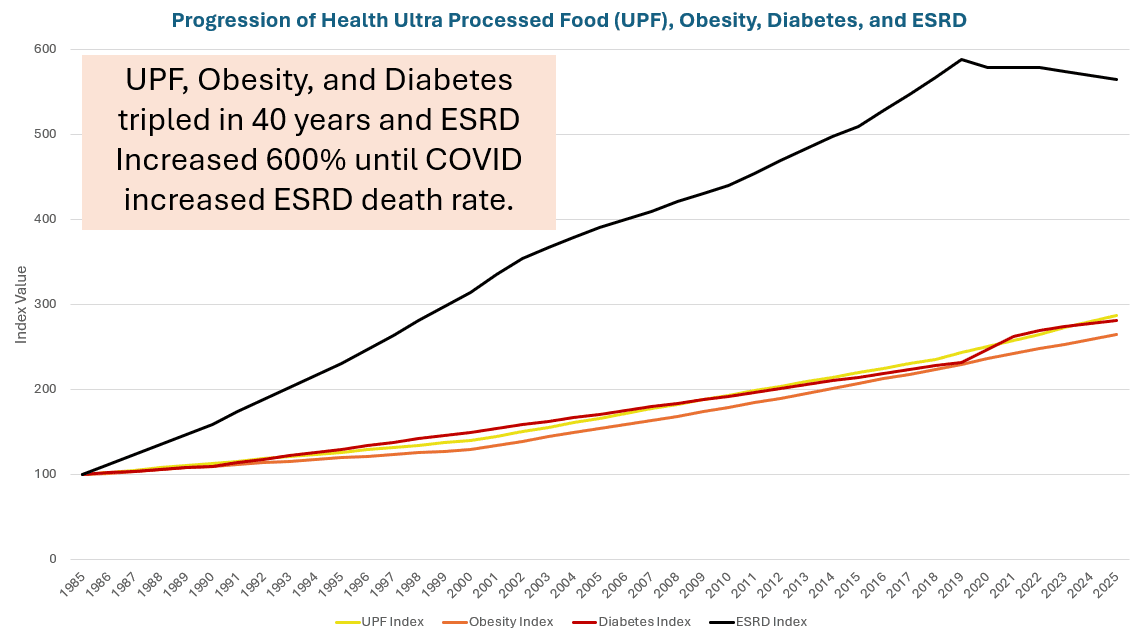
Read about Humaculture’s CEO’s, Steve Cyboran, ASA, MAAA, FCA, CEBS, interview with Life Annuity Specialist featured in Diabetes is Killing More Americans Than Ever Before. Steve explains the trends in diabetes over the last 40 years. The rate of diabetes almost quadrupled from around 3% in the 1980s to 11.3% in 2023. Deteriorating health is a contributing factor to the trends in diabetes, which leads to elevated health costs, disability rates, and mortality.
The good news is that there is quite a bit insurance carriers and employers can do to stem the tide and help People become healthier to the benefit of the insured and the Organization’s bottom line. Contact us to discuss how.
Available Support
We are available to support you in your strategy, design, compliance, financial, and monitoring needs. Our team includes business and human relations leaders, finance experts, actuaries, clinicians, behavioral health experts, pharmacy experts, and legal resources to guide you through the strategy and compliance process. Please contact us: info@humaculture.com.
Voluntary benefits & captives: A new paradigm of transparency & control
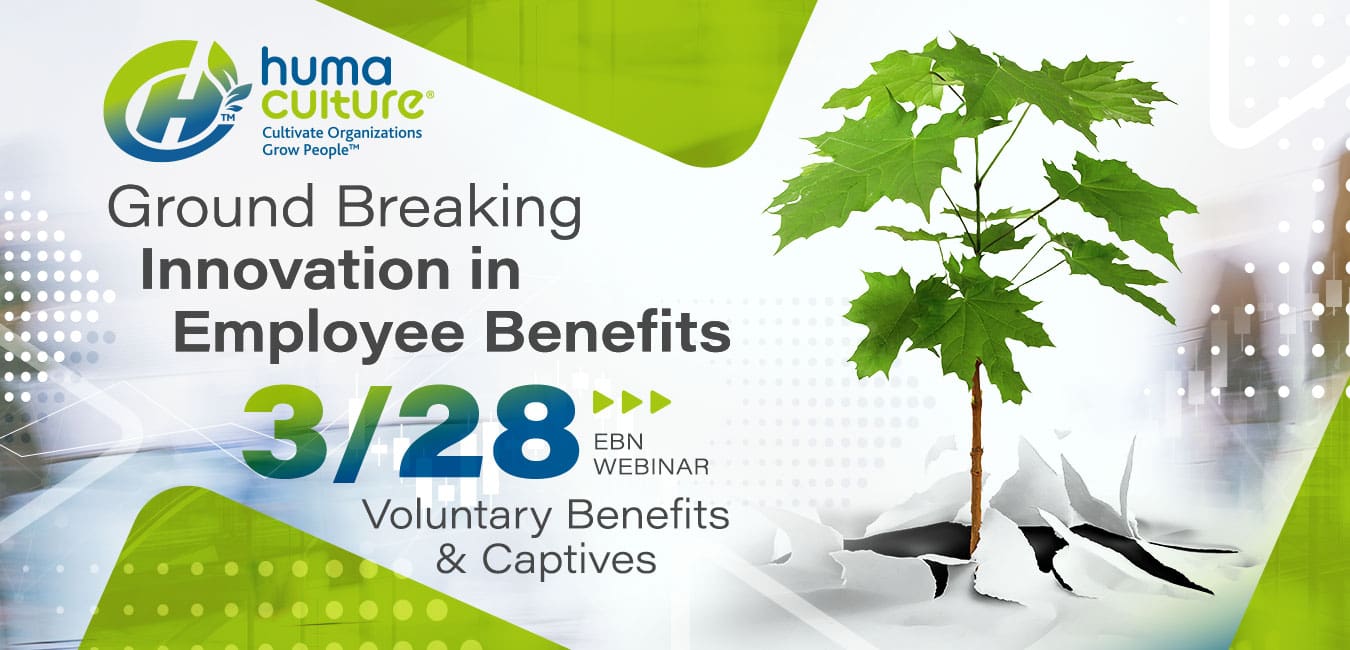
Join us on Thursday, March 28 from 1:00 to 1:30 CDT for Employee Benefit News’ Web Seminar “Voluntary benefits & captives: A new paradigm of transparency & control.”
Presenters
- Steve Cyboran, ASA, MAAA, FCA, CEBS, actuary and strategy consultant
- Amy Hollis, CEO/Founder at Employees First
- Erik Sossa
- Mimi Leonard
- Allison Itami, Principal at Groom Law Group
Objective
Today, employers face increasing pressure to reduce costs while increasing the value of Total Rewards in an effort to elevate employees’ wellbeing. In this ever-challenging benefits landscape, there is a ground breaking innovation – the pairing of voluntary benefits with captives. This new approach offers exciting solutions, particularly for large-market employers, but first, but it is critical to understand and evaluate the potential opportunities and pitfalls.
Hear from industry leading benefits experts to learn more about…
- the market forces driving these emerging solutions
- the foundational basics – why deliver voluntary benefits through a captive?
- the best practices for evaluating whether these solutions are a “fit” for your organization
- expectations for the future
- why you may not have heard about these solutions until now
Watch CEO Present on “Excess Mortality: A Peek Under the Iceberg”
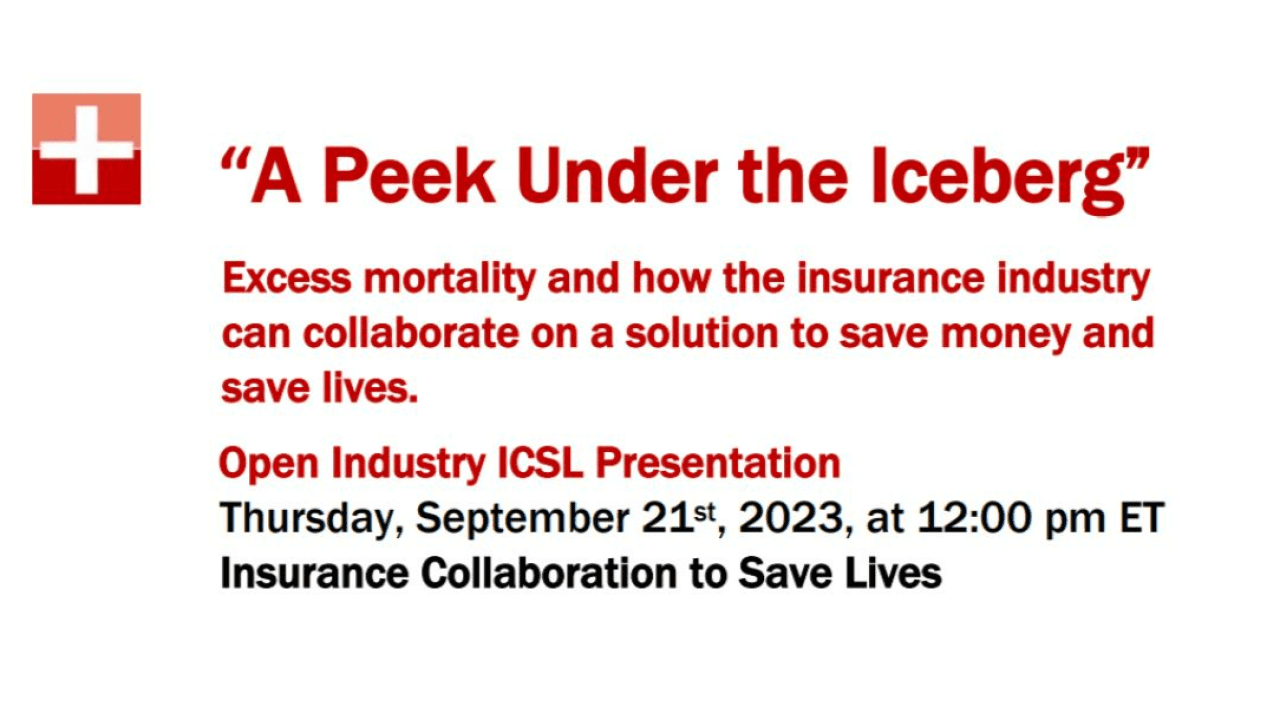
Watch a replay of the Insurance Collaboration to Save Lives (ICSL) presentation on “Excess Mortality: A Peek Under the Iceberg” in which our CEO, Steve Cyboran, ASA, MAAA, FCA, CEBS participated. Steve discusses possible causes leading to an increase in mortality and morbidity post COVID-19, how we can use proactive health risk mitigation to respond, and what the returns may look like.
Presenters
- Steve Cyboran, ASA, MAAA, FCA, CEBS, CEO, Consulting Actuary, Humaculture, Inc.
- Josh Stirling, Founder of Insurance Collaboration to Save Lives, Insurtech Advisor, Board Director and Former #1 Ranked Insurance Analyst
- Valerie Chezem, ASA, MAAA, Assistant Actuary, Everence®
- Mary Pat Campbell, FSA, MAAA, Vice President, Insurance Research, Conning
- Teresa Winer, FSA, MAAA, Actuary, Office of Insurance and Fire Safety Commissioner, Georgia
Objective
At the ICSL, dozens of industry executives have been developing a plan to help insurers proactively address the tragedy of on-going 20% increased mortality since 2020. Excess mortality and morbidity is a problem for our industry, and society. The ICSL brings together insurers to work together to solve it. Learn more about the impact we can make in the video. Steve Cyboran presents at 27:31.
Key Takeaways
- Through May of 2023 US mortality continues to be 20% high for ages 15 through 45
- There are underlying health conditions leading to excess mortality
- Insurers and employers can have impact that makes financial sense
- There are innovative ways to improve financial results
Presentation
Watch the presentation:
Available Support
We are available to support you in your strategy, design, compliance, financial, and monitoring needs. Our team includes business and human relations leaders, finance experts, actuaries, clinicians, behavioral health experts, pharmacy experts, and legal resources to guide you through the strategy and compliance process. Please contact us: info@humaculture.com.


