Category: Uncategorized
From Underdog to Unbeaten Champions
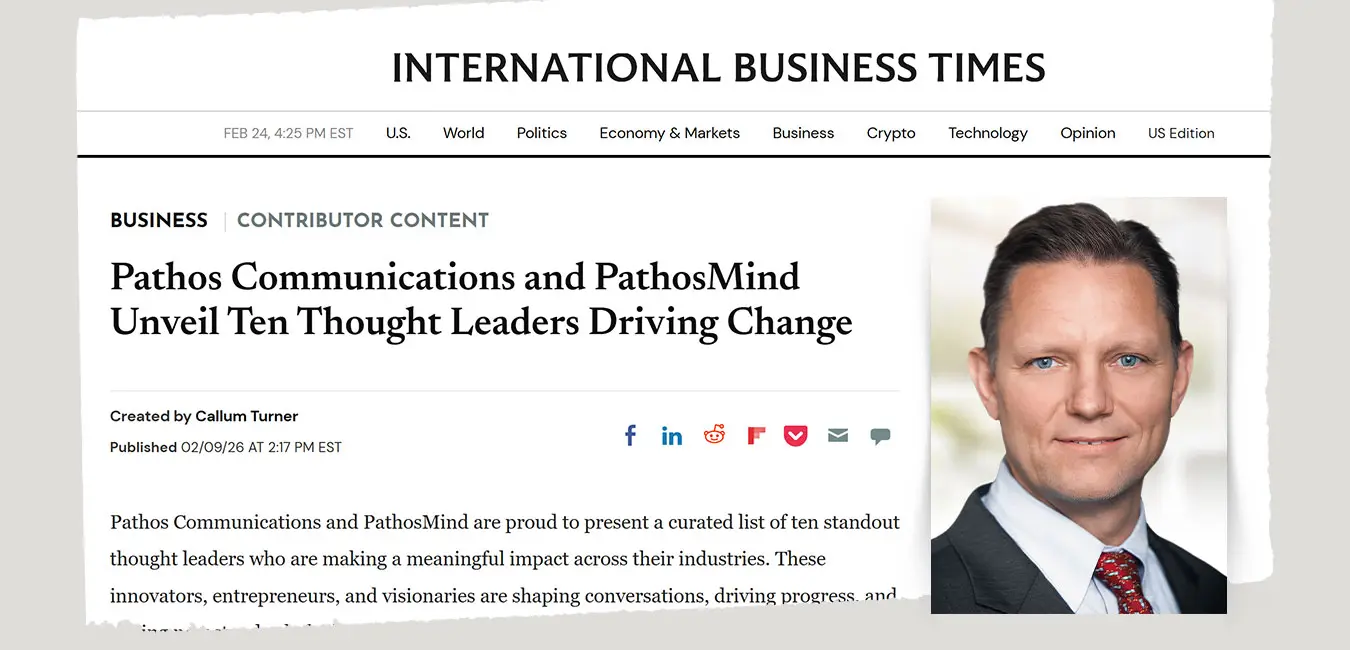
Above Image: By Owen Graham for TDH / Original source: https://www.thedailyhoosier.com
Indiana Football’s Historic Run through the Humaculture® Topological Model
By Humaculture, Inc.
February 5, 2026
Imagine leading a program long counted out, yet transforming it into a national champion through intentional “cultivation” rather than force. In college football’s competitive landscape, where traditional powerhouses like Alabama and Ohio State have long held sway, the 2025 Indiana University (Indiana) Hoosiers achieved just that: one of the most extraordinary turnarounds ever recorded. Entering the season with the most all-time losses in Football Bowl Subdivision (FBS) history and long odds against them, the program completed a perfect 16-0 campaign, captured its first outright Big Ten championship in decades, earned its first No. 1 ranking, and claimed the national title with a 27-21 victory over Miami in the College Football Playoff (CFP) championship game. Quarterback Fernando Mendoza, the program’s first Heisman Trophy winner, led the charge with remarkable poise and production.
This achievement did not stem from fleeting talent or chance. It arose from a systematic approach to building a resilient, high-performing organization, closely aligned with the Humaculture® Topological Model. Guided by the maxim “feed the soil, not the plant,” the model treats organizations as interconnected living systems. Enriching the foundational “soil” (Structures, Assets, and Processes within the Organization Domain) creates the conditions for People to thrive and generate abundant Created Value.
Indiana Football’s season vividly demonstrates this principle in practice. Head coach Curt Cignetti focused on enriching the Organization Domain’s “soil” by refining Structures for clear accountability, strategically allocating Assets (including aggressive use of the National Collegiate Athletic Association (NCAA) Transfer Portal and Name, Image, and Likeness (NIL) opportunities ESPN profile on Cignetti’s scouting and recruiting approach), and tuning Processes like Cultural Nurturing and Performance Nurturing. The result was a dynamic, cyclical system that delivered the Three Promises: Effectual (tangible milestones and dominance), Emotional (deep team resonance and pride), and Economic (substantial increases in revenue from surging attendance, concessions, merchandise sales, and conference playoff proceeds Learfield report on revenue growth including 113% ticket increase).
A Program Facing Long-Term Challenges
The Hoosiers entered 2025 with a legacy of struggle: decades of mediocrity, only sporadic success in the Big Ten, and a recent 3-9 finish before Cignetti’s arrival. Preseason rankings placed them at No. 20 in the AP poll, with media projections in the middle of the conference and national title odds as long as 100-to-1 (or even higher earlier in Cignetti’s tenure). The external Environment Domain, shaped by NCAA rules (including the Transfer Portal), NIL opportunities, alumni resources, climate and weather impacts on scheduling and play, demanding “terrain” in away venues, and a grueling Big Ten schedule, presented real constraints. Many viewed their strong 2024 season (including a CFP appearance) as unsustainable given roster changes.
Yet these pressures became the catalyst for intentional “cultivation,” much like how challenging environmental conditions prompt a garden to adapt and strengthen its “soil.”
Pursuing Sustainable Excellence and Resilient Growth
The driving ambition was clear: build a program capable of consistent, high-level performance and lasting impact. This translated to prioritizing Created Value (game-changing offensive schemes, dominant defensive performances, and program-wide elevation) while fostering resilient People who could endure and excel under pressure through a culture of mutual support, high standards, and earned opportunity.
Cignetti’s approach drew on his proven emphasis on accountability, discipline, and a refusal to accept average performance (compilation of Cignetti’s key culture quotes). This supported Merit-Based Talent Cultivation, ensuring Equality of Opportunity where roles and contributions were earned through performance and fit (247Sports analysis of Cignetti’s production-over-potential transfer philosophy)
Transfers via the NCAA Transfer Portal (a database allowing student-athletes to notify their intent to switch schools, enabling coaches to contact and recruit them directly, similar to free agency rather than professional league trades) like Mendoza highlighted this: the right “cultivated” system does not “fix” people. It provides the “soil” for their inherent potential to thrive.
Navigating Pressure and Avoiding Common Pitfalls
As the season unfolded, challenges mounted against elite competition. A road victory at No. 3 Oregon (30-20) tested composure in a hostile environment. Later, a narrow 13-10 win over No. 1 Ohio State in the Big Ten Championship Game (Indiana’s first over the Buckeyes since 1988) highlighted the strengths of their merit-based culture based talent acquisition. The Hoosiers succeeded by avoiding shortcuts, such as bringing in talent that looked impressive on paper but didn’t fit the system’s merit-based culture and Processes, or relying on generic changes without deeper enrichment of the organizational “soil.” Instead, they invested in systemic strength that allowed inherent potential to flourish naturally.
Building Momentum through Team Cohesion
Throughout the campaign, the emotional tone shifted from past frustration to growing confidence and shared purpose. Players frequently credited the culture of mutual support and high standards for their ability to perform at peak levels.
Quarterback Fernando Mendoza embodied this transformation. As a lightly recruited prospect, he faced rejection from over 130 programs (no scholarships, silent inboxes, and even walk-on denials) before a late offer from Cal as essentially a roster filler. There, behind a struggling line and in a system that eventually prioritized another transfer, he endured sacks, losses, and limited opportunity.
Entering the Transfer Portal, many viewed Indiana as “career suicide” (the program with the worst record in FBS history). Yet Cignetti saw untapped potential, promising to build around making Mendoza the best version of himself. In this enriched environment (Merit-Based opportunity, seamless integration, and supportive Processes), Mendoza flourished with over 3,500 passing yards, 41 touchdowns, and a passer rating of 182.91. He delivered clutch plays (including a title-game fourth-quarter run through his hometown Miami defenders), won the program’s first Heisman Trophy (and the first for a Cuban-American), and led a 16-0 season.
His drive stemmed from deep Personal Characteristics: resilience forged by his mother’s long battle with multiple sclerosis, a refusal to accept “no” as final, and a focus on team over self. This resonance fostered the Emotional Promise, turning individual motivation into collective strength and pride.
The Decisive Tests: Relying on Enriched Foundations
The playoffs brought the ultimate pressure: dominant wins over No. 9 Alabama (38-3 in the Rose Bowl) and No. 5 Oregon (56-22 in the Peach Bowl), followed by a tense championship battle against No. 10 Miami. In these high-stakes moments, particularly the title game, again near Mendoza’s hometown roots, where his fourth-and-4 quarterback draw spun through defenders for the winning score, the system’s resilience shone through.
Rather than hierarchical overhauls or external pressure tactics, Cignetti leaned on merit-based Processes: flattened Structures for clear accountability, strategic Resource Allocation (leveraging NIL support and portal expertise), and strong emphasis on Cultural Nurturing for teamwork and Performance Nurturing for weekly refinement across Knowing, Wanting, Ability, and Capacity.
The Indiana defense, nationally leading with a +21 turnover margin, reflected this focus with timely plays and disciplined execution rooted in prepared, motivated players.
Measurable Triumph and a Foundation for the Future
The outcomes speak volumes: Indiana’s first national championship, first outright Big Ten title since 1945, first No. 1 ranking, and the first 16-0 season in the modern FBS era (matching Yale’s 1894 mark under different rules). Key metrics included exceptional efficiency and minimal costly errors, signaling reduced “disability costs” (injuries, turnovers) and strong retention.
This delivered the Three Promises in full:
- Effectual: Road upsets (first-ever at Penn State), playoff dominance, and ultimate victory.
- Emotional: A culture of support and pride with players describing joy and purpose in the journey.
- Economic: Substantial revenue growth from surging attendance (including reported 113% increase in football ticket revenue), concessions, merchandise, and playoff proceeds Learfield partnership report, positioning the program for ongoing financial strength.
For leaders in any field, Indiana’s story underscores a core truth: prioritize enriching the “soil.” Adapt to your Environment, cultivate the Organization Domain through intentional Processes, and empower People to flourish. Apply the Dynamic Matrix’s cyclical interactions, embrace Merit-Based Talent Cultivation for Equality of Opportunity, and sustainable growth follows naturally.
Contact: Steve Cyboran at [email protected], Wes Rogers at [email protected], or Caroline Cyboran at [email protected]
Website: humaculture.com
LinkedIn: humaculture-inc
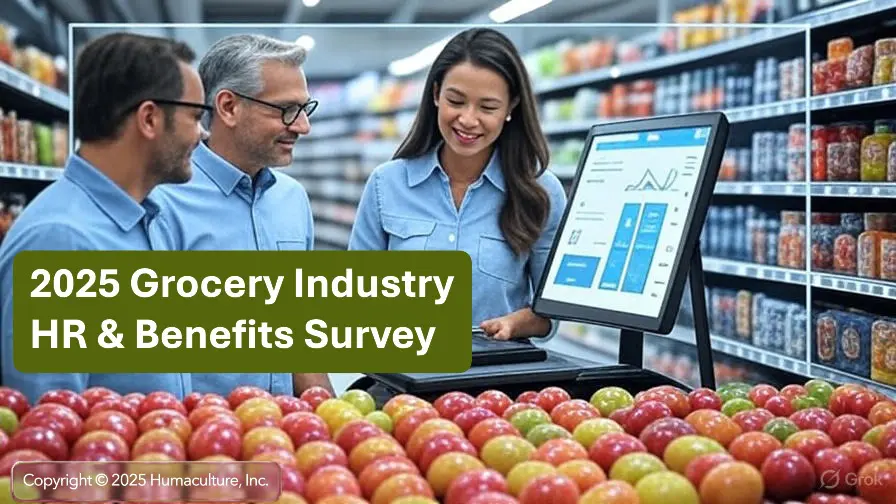
Grocery Industry HR Survey 2025: Key Insights for Regional Retailers
Posted by Humaculture®
September 18, 2025
With grocery prices up ~25% since 2020 and labor shortages intensifying, regional grocers need innovative workforce strategies to stay competitive. At Humaculture®, we’re excited to launch the Grocery Industry HR Survey 2025, designed to deliver actionable insights for regional grocery stores facing grocery HR challenges like turnover, rising costs, and policy shifts.
Why Participate in the Grocery Industry HR Survey?
The Grocery Industry HR & Benefits Survey uncovers correlations between HR practices, total rewards, and outcomes like employee retention, productivity, and labor cost management. By joining, you’ll gain:
- Exclusive Benchmarking: Compare your practices to industry trends.
- Actionable Insights: Address labor shortages in the grocery industry and optimize employee retention in grocery stores.
- Industry Leadership: Contribute to a report shaping grocery industry benefits trends.
Watch a replay of our Grocery Industry HR Survey 2025 Webinar to learn more.
Take the Grocery Industry HR Survey 2025 now.
Addressing Grocery HR Challenges in 2025
Regional grocers face unique pressures:
- Economic Shifts: New tariffs and inflation increase costs.
- Labor Shortages: Immigration policies risk short-term workforce gaps, raising labor costs.
- Competition: Big-box stores and discounters challenge market share.
- Consumer Trends: Private-label products hold over 20% market share with near-universal adoption, demanding agility.
Our survey explores regional grocery workforce strategies for:
- Attracting and Retaining Talent: Competitive compensation and benefits.
- Boosting Productivity: Training and workplace culture initiatives.
- Managing Costs: Balancing wages with operational efficiency.
Learn how our total rewards philosophy leads success in a grocery setting.
Engaging with the Grocery Industry
Humaculture® is committed to driving industry-wide impact by sharing insights at key grocery events where HR and workforce topics take center stage:
- Grocery Impact 2025 (November 5-7, Orlando): Focused on “The Power of People,” featuring sessions on leadership, talent development, and innovative HR strategies.
- Groceryshop 2025 (September 28–October 1, Las Vegas): A hub for grocery innovation, including discussions on tech-driven workforce solutions and supply chain impacts on labor.
These events align with 2025 HR trends like skills-based hiring, AI integration, and financial wellness programs—key areas our survey addresses. Join us to spark conversations on empowering regional grocers.
Survey Highlights
- Quick and Confidential: 25-30 minutes, anonymized responses.
- Comprehensive: Covers compensation, training, culture, and grocery industry benefits trends.
- Incentives:
- Executive summary and benchmarking report.
- Recognition in an upcoming Humaculture® whitepaper.
- Personalized report via a follow-up meeting.
Join Us to Shape Grocery HR
Take the Grocery Industry HR Survey 2025 and share on LinkedIn or X with #GroceryHR to drive industry change. For questions, contact any of our team members:
| Steve Cyboran | CEO, Consulting Actuary, Chief Behavioral Officer |
| Wes Rogers | President, Humaculturist® |
| Paula Labian | Former CHRO, HAC/Whole Foods |
| Marc Jones | Former CEO, HAC |
| Sam Martin | Former CEO, A&P, SVP Operations, Wild Oats Market |
FAQ: Grocery Industry HR Survey 2025
- What is the Grocery Industry HR Survey?
A 25-30 minute survey addressing grocery HR challenges like turnover, labor costs, and benefits for regional grocers. - How can regional grocers benefit?
Gain benchmarking data and actionable insights for employee retention in grocery stores. - Is it confidential?
Yes, responses are anonymized, ensuring candid feedback.
Humaculture® is a registered trademark of Humaculture, Inc.